Why Use Solenoid Valves in Your Irrigation System?
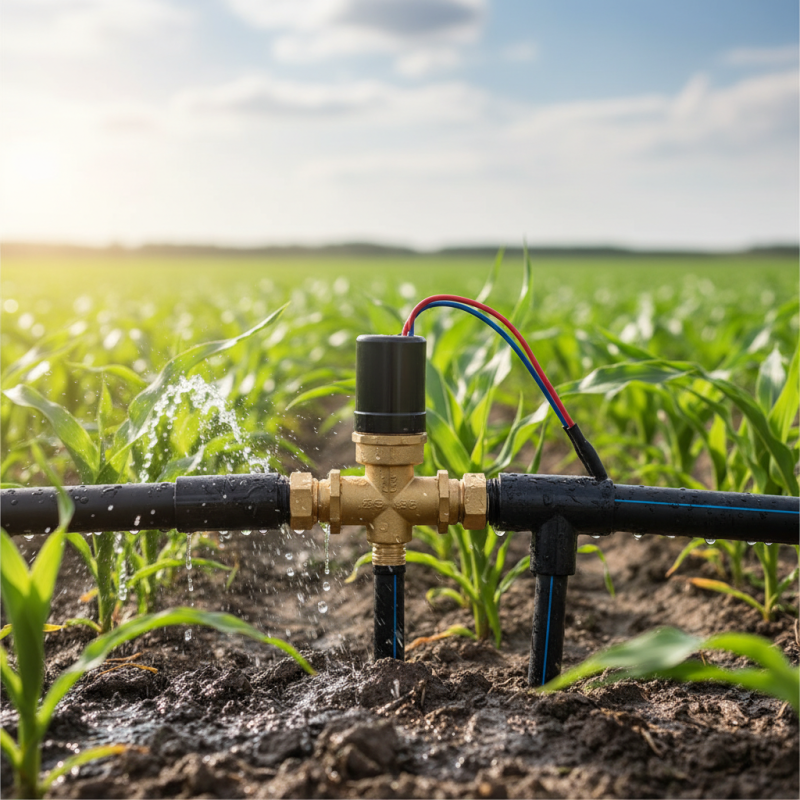
In modern irrigation systems, efficiency is key. One component that stands out is the Solenoid Valve In Irrigation Systems. This device controls water flow automatically. It is crucial for reducing water waste and saving resources. By using a solenoid valve, farmers can optimize their irrigation routines.
Many systems rely on manual operation. This method can be inefficient and time-consuming. A solenoid valve simplifies the process. It enables precise control over when and how much water is delivered to crops. Additionally, users can easily set schedules, allowing for more effective irrigation.
However, not all installations are perfect. Some users report issues with valve malfunction. Regular maintenance is essential to avoid these problems. It's important to consider installation locations carefully. Proper placement can greatly enhance the valve's performance. In conclusion, the benefits of the solenoid valve in irrigation systems are substantial, yet they require thoughtful planning and upkeep.
Benefits of Solenoid Valves in Irrigation Systems
Solenoid valves play a crucial role in modern irrigation systems. They offer precise control over water flow. This precision helps prevent over-irrigation, which can lead to water wastage. Efficient water usage ensures crops receive the right amount of moisture. This not only protects resources but also supports healthier plant growth.
Another benefit lies in automation. Solenoid valves allow for remote operation. Gardeners can schedule watering times easily. This feature reduces manual labor significantly. However, relying on technology can sometimes lead to mishaps. For example, a power outage may disrupt the system.
Maintenance is also a consideration. While these valves are generally reliable, they can fail. Regular checks are essential to ensure they function properly. Neglecting maintenance can lead to leaks or inconsistent watering. These downsides highlight the importance of being mindful when using solenoid valves in an irrigation system.
Benefits of Solenoid Valves in Irrigation Systems
How Solenoid Valves Operate in Automated Irrigation
Solenoid valves play a crucial role in automated irrigation systems. They act as electronically controlled gatekeepers for water flow. When activated, these valves open and close rapidly. This functionality ensures precise water delivery to gardens, fields, or lawns. The process begins with an electric current flowing through the solenoid, generating a magnetic field. This action moves a plunger, which shifts to open or close the valve.
The operation of solenoid valves is not without its challenges. For instance, improper voltage can lead to malfunctions. If the current is too low, the valve may not open fully. Conversely, excessive voltage can damage the solenoid. Regular maintenance is essential to prevent such issues. Dirt can accumulate, causing valves to stick. This can disrupt the entire irrigation cycle, leading to overwatering or underwatering.
Understanding the specifics of solenoid valve operation helps users make informed decisions. The strength of the magnetic field determines how quickly the valve activates. Not all systems may require the same specifications. It’s important to balance efficiency and performance based on individual needs. This adaptability is part of what makes solenoid valves a popular choice in modern irrigation systems.
Why Use Solenoid Valves in Your Irrigation System?
| Feature | Description | Benefits |
| Automatic Operation | Solenoid valves operate on electric current, allowing for automation in irrigation scheduling. | Saves time and labor, ensuring irrigation occurs at optimal times. |
| Pulse Flow Capability | They can be controlled to allow for pulse irrigation techniques. | Improves water efficiency and reduces runoff. |
| Durability | Made from high-quality materials that resist corrosion and wear. | Ensures long life and reliability in various environmental conditions. |
| Easy Installation | Designed for simple integration into existing irrigation systems. | Reduces installation time and costs. |
| Remote Control | Can be operated via smart controllers or manual switches. | Offers flexibility and convenience to users. |
Types of Solenoid Valves for Different Irrigation Needs
When selecting solenoid valves for irrigation, it’s essential to match the type to your specific needs. There are several types available. For standard garden setups, a normally closed valve works well. It opens when activated, allowing water flow. In contrast, normally open valves can be useful for specific applications where constant flow is needed.
For larger agricultural operations, consider using 2-way and 3-way valves. A 2-way valve connects two points: the water source and the irrigation system. It is straightforward and effective. Meanwhile, a 3-way valve helps redirect water to different zones. This is beneficial for managing diverse crop types efficiently.
Keep in mind that solenoid valves may require regular maintenance. Solenoid coils can fail, and dirt can clog valves. Flushing the system occasionally can help. Choose the right valve type, and watch your plants thrive!
Installation and Maintenance of Solenoid Valves
Installing solenoid valves in your irrigation system can enhance its efficiency vastly. These devices control water flow and can be automated for convenience. When it comes to installation, ensuring proper positioning is crucial. Place valves where they are easily accessible for maintenance. Ensure all connections are secure, and use the right adapters for your piping system. Leak-proof fittings prevent water waste.
Maintenance is just as important as installation. Regular checks for wear and tear can extend the life of your valves. Inspect the electrical components; a loose wire can cause malfunctions. Cleaning the valve periodically helps prevent clogs, which can disrupt water flow. Some people forget to do this, leading to bigger issues down the line. Be sure to test valve function regularly. Ignoring small problems can lead to costly repairs later.
Cost-Effectiveness of Solenoid Valves in Water Management
Solenoid valves play a vital role in irrigation systems by promoting cost-effectiveness in water management. According to industry reports, automated irrigation systems can save up to 30% of water use. This is largely due to the precise control that solenoid valves offer. They can reduce excess water application, preventing over-irrigation and runoff problems.
Moreover, solenoid valves can lower operational costs. They often require less human intervention. As a result, labor expenses decrease. A study conducted by the Irrigation Association found that systems with solenoid valves can save about 25% on water bills. This savings accumulates over time, making the initial investment worthwhile. However, the complexity of installation may deter some users.
On the flip side, maintenance can be an issue. Users may face challenges with valve performance over time. In areas with hard water, solenoid valves might need more frequent cleaning to avoid blockages. Despite these drawbacks, the financial benefits usually outweigh the negatives. Efficient water management leads to sustainability, benefiting both the environment and the wallet.
 English
 Español