Top Wire for Thermal Spray Solutions for Global Buyers?
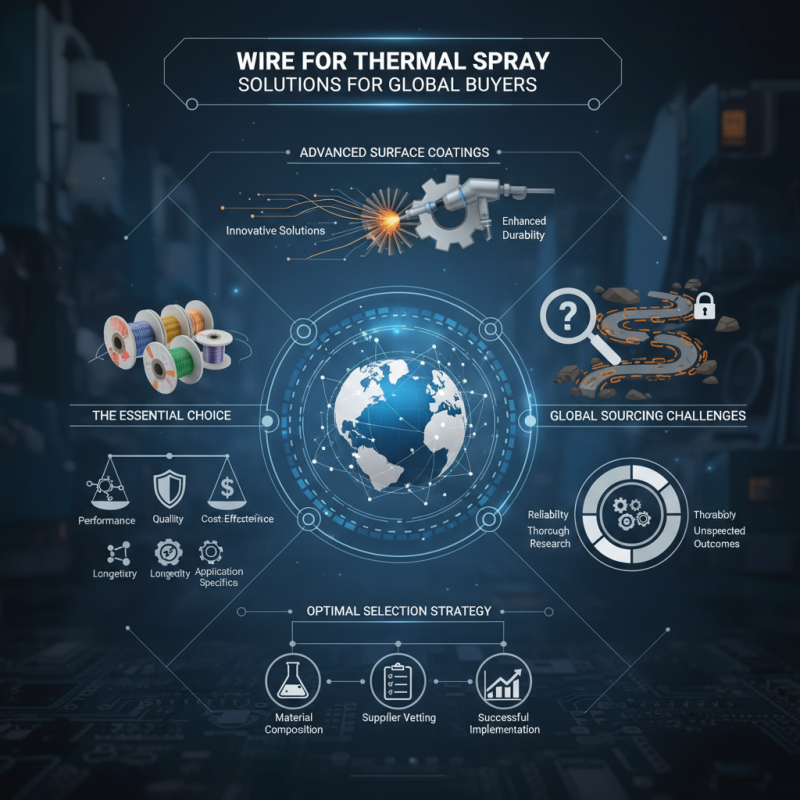
In the world of advanced surface coatings, "Wire for Thermal Spray" offers innovative solutions. Thermal spray technology enhances the durability of components across various industries. The demand for high-quality wire products has grown among global buyers seeking reliability.
Choosing the right wire is crucial. Quality affects performance and longevity in coatings. Different applications require different wire compositions. Understanding these specifics is vital for successful implementation.
However, not all suppliers provide reliable products. Buyers must do thorough research to discern the best options. Often, challenges arise when sourcing the right materials. This complexity can lead to unexpected outcomes if not addressed. Balancing quality and cost is essential in this competitive market.
Types of Thermal Spray Wires Available for Global Markets
When exploring thermal spray solutions, understanding the types of thermal spray wires available is crucial for global buyers. Various wires cater to diverse applications, each with distinct benefits and characteristics. Common materials include nickel-based, cobalt-based, and aluminum wires. Nickel-based wires offer high-temperature resistance and corrosion protection. Cobalt-based options excel in wear resistance, making them ideal for demanding environments. Aluminum wires provide excellent adhesion and are often used for protective coatings.
Tips: When selecting thermal spray wires, consider the specific application. Match the wire material to the operational conditions for optimal performance. This simple step can significantly enhance durability.
Buyers should also be aware of the quality of the wires. It is essential to obtain materials from reputable sources. Insufficient quality can lead to coating failures and operational inefficiencies. Testing samples before large purchases can prevent costly mistakes.
Price is also a factor, but it should not be the only consideration. A low-cost wire might save money upfront but could lead to higher long-term costs due to repairs and replacements. Researching and comparing product specifications will ensure smarter purchasing decisions.
Key Characteristics of Ideal Thermal Spray Wires
When selecting thermal spray wires, key characteristics stand out. The material composition plays a crucial role. A blend of nickel, chromium, and molybdenum often enhances durability. According to industry reports, the right alloy can improve wear resistance by up to 30%. Evaluating parameters like melting point and deposition efficiency is essential. Low melting temperature alloys can streamline processes, saving time and resources.
Tip: Always check the thermal conductivity. High conductivity ensures optimal heat transfer during spraying. It also contributes to better adhesion and reduces the risk of defects.
Coating thickness and uniformity matter significantly. Ideal thermal spray wires should provide consistent application to avoid weak spots. Variability in thickness can lead to premature failure in protective coatings. Inconsistent thickness may sometimes go unnoticed until significant damage occurs, leading to additional costs.
Tip: Consider testing wire samples before large-scale applications. This can help identify any inconsistencies and ensure reliability in production settings. Understanding these key characteristics can help global buyers make informed decisions.
Applications and Industries Utilizing Thermal Spray Solutions
Thermal spray solutions are increasingly popular across various industries. These techniques enhance surfaces, making them more durable and resistant to wear. Applications range from aerospace to manufacturing, where high-performance materials are needed. In aerospace, thermal spray coatings protect engine components from extreme temperatures and oxidation. The automotive industry also benefits; thermal spray enhances components like pistons and valves.
In the oil and gas sector, thermal spray solutions safeguard equipment from corrosion. This protection extends the lifespan of pipes and valves, crucial in harsh environments. Additionally, the medical field uses thermal spray technology to improve the durability of surgical tools and prosthetics. These applications demonstrate the versatility of thermal spray methods.
However, there are challenges. Selecting the right materials can be complex. Each application requires careful consideration of factors like adhesion and hardness. Sourcing high-quality wires for thermal sprays remains a focal point. Not all suppliers meet stringent quality standards. This inconsistency can affect performance, leading to eventual failures. A focus on quality and reliability in thermal spray solutions is essential for success across industries.
Factors Influencing the Choice of Thermal Spray Wires
When selecting thermal spray wires, buyers must consider several critical factors. The intended application is key. Different industries have varying requirements. Aerospace, automotive, and oil and gas sectors may prioritize unique properties. For instance, some applications require high resistance to wear, while others need excellent corrosion protection.
Material composition also matters significantly. Users may choose between metals, polymers, or ceramics based on the specific task. Each material brings different benefits. For example, nickel alloys often excel in high-temperature environments. However, they might not stay as effective in other settings.
Performance and compatibility with the existing infrastructure are vital as well. Buyers need to evaluate whether the chosen wire aligns with their equipment. This step can help avoid potential costly mistakes. Gaps in knowledge about specific wire properties can lead to suboptimal results. Testing different wires on a small scale is advisable. Such strategies can unveil unexpected challenges or limitations.
 English
 Español