Top 10 Ball Bearing Types You Need to Know About?
When it comes to machinery and tools, Ball Bearings play a crucial role. These tiny components reduce friction and improve efficiency. They make machines run smoother and last longer. However, not all ball bearings are created equal. There are different types, each designed for specific applications.
Understanding the various types of ball bearings can be overwhelming. Some are ideal for high speeds, while others excel under heavy loads. Choosing the right type can make a significant difference in performance. Yet, many overlook their importance until problems arise. This oversight could lead to increased downtime and costly repairs.
In this guide, we’ll explore the top 10 ball bearing types that are essential for various applications. Whether you’re a DIY enthusiast or a professional, knowing these types is valuable. You may discover options that you have yet to consider. Let’s dive deep into the world of ball bearings and their unique characteristics.
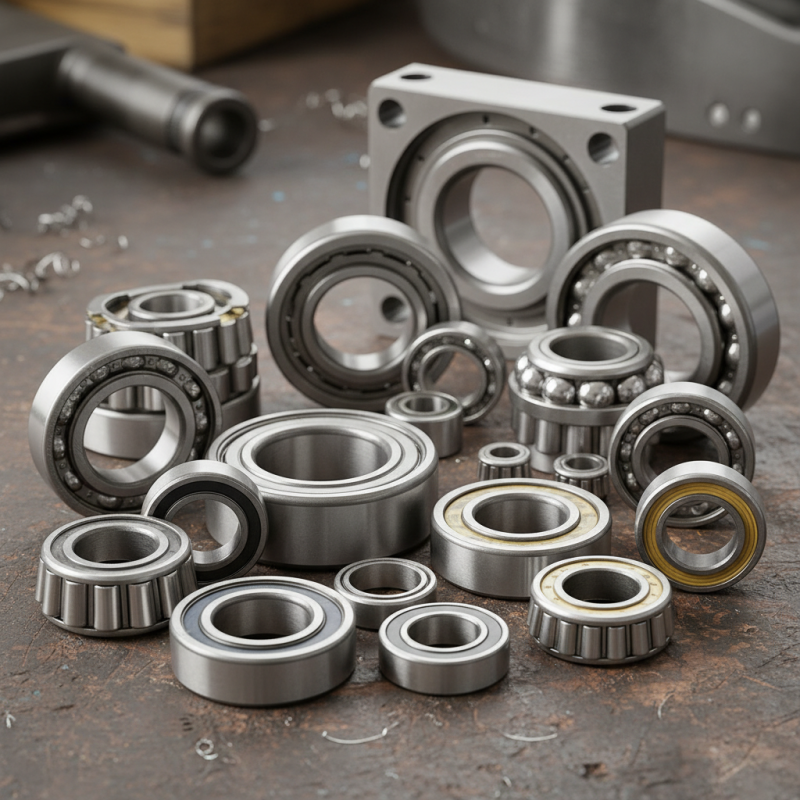
Types of Ball Bearings and Their Basic Functions
Ball bearings play a crucial role in reducing friction between moving parts. They are widely used in various applications. Understanding the types of ball bearings is essential for selecting the right one for your needs. The most common types include deep groove, angular contact, and thrust bearings. Deep groove bearings handle radial and axial loads well. Angular contact refers to their ability to manage high-speed applications, especially in machine tools. Thrust bearings support axial loads, which is vital in clutch assemblies.
According to a report by the International Journal of Advanced Manufacturing Technology, the global ball bearing market was valued at approximately $14 billion in 2021. It is expected to grow at a CAGR of around 6% over the next few years. This growth highlights the increasing demand for efficient machinery and low-friction solutions. However, selecting the wrong type can lead to early failure. Many overlook the importance of load ratings and speed limits. This can result in a decrease in performance and lifespan.
The size and type must align with their intended application. For example, using a deep groove bearing in high-load scenarios may not yield optimal results. A mismatch can cause overheating or excessive wear. Beginners often find this aspect challenging. Proper education on bearing specifications is essential for ensuring longevity and efficiency in mechanical systems. Many resources are available, but understanding the basics is crucial.
Top 10 Ball Bearing Types and Their Basic Functions
This chart illustrates the distribution of different types of ball bearings and their primary applications. Understanding these types helps in selecting the right bearing for various mechanical applications.
Ball Bearing Characteristics That Affect Performance
Ball bearings are essential in reducing friction in various machinery. Their performance can vary widely based on several characteristics. The material used, for instance, significantly impacts load capacity. Stainless steel bearings handle corrosion better but may have lower load ratings compared to ceramic alternatives. Data shows that ceramic bearings can withstand temperatures up to 500°F, making them suitable for high-speed applications.
Another critical characteristic is the ball size. Larger balls typically distribute weight more evenly. However, they may also increase friction, leading to faster wear. In a study, larger steel balls demonstrated a 15% increase in durability but operated less efficiently in lower RPM scenarios. Additionally, the type of lubrication affects the overall efficiency. Grease can trap dirt, while oil allows for better cooling. Experts recommend a thin oil film for the best results.
It's important to be aware that not all ball bearings are created equal. Some may excel in specific applications but fail in others. Choosing the wrong bearing type can lead to premature failures. Manufacturers often overlook the impact of proper sealing, which helps prevent contamination. Neglecting these factors can result in increased downtime and maintenance costs.
Applications of Various Ball Bearing Types
Ball bearings are crucial components in various machines and vehicles. Their types differ in design and function. Understanding their applications can enhance performance. Deep groove ball bearings are common in electric motors and drives. They handle both radial and axial loads well.
Another type is angular contact bearings. These are used in applications that involve higher speeds and specific thrust loads. They find use in turbines and high-speed machinery. The precision of these bearings is essential for maximizing efficiency, but they can be more challenging to install.
Tips: When selecting a bearing type, consider the load requirements. Overloading a bearing can lead to premature failure. Ensure proper lubrication for smooth operation. Some bearings, like ceramic, can handle higher temperatures. However, they may require specialized installation.
You might wonder about the cost of different bearings. Cheaper options may not perform well under stress. Also, be mindful of the environment where bearings operate. Dust and moisture can impact their lifespan. Regular maintenance checks can prevent future issues.
Advantages and Disadvantages of Each Ball Bearing Type
When exploring ball bearing types, understanding their advantages and disadvantages is crucial. Angular contact bearings excel in handling radial and axial loads simultaneously. They are ideal for high-speed applications. However, they can be pricier and may require precise mounting, which can be a hurdle for some.
Deep groove ball bearings are versatile and widespread in various applications. They support radial loads well and are easy to install. Yet, their limitations arise in high axial load situations, leading to reduced lifespan under those stresses. This contrast reveals where users should be cautious.
Tip: Always evaluate your application needs before selecting a bearing type. Doing so can prevent costly mistakes. Moreover, consider the environment your bearings will operate in. Temperature, dirt, and moisture can significantly impact performance.
On the downside, some bearing types, like needle bearings, may lack robustness under high load situations. While they are lightweight and reduce friction, they wear out faster under certain conditions. Regular maintenance is essential, yet many overlook it until performance declines sharply. Prioritize routine checks to extend bearing life.
Factors to Consider When Selecting Ball Bearings
When selecting ball bearings, several factors are crucial. Size and load capacity are primary considerations. Choose a size that fits your application. Ensure it can handle the expected load. Many reports indicate that a mismatch here can lead to premature bearing failure.
Another key factor is the operating environment. Is it high-temperature, wet, or dusty? Specialty coatings or materials may be necessary. For example, stainless steel bearings work well in corrosive environments. According to recent industry studies, nearly 30% of bearing failures are due to environmental stressors.
Tips: Always check the lubrication type. Grease and oil serve different purposes. Regular maintenance can extend bearing life.
Pay attention to noise and vibration. These can indicate problems. Advanced diagnostic tools can help identify issues early. Not all bearings perform the same under various conditions. Some may experience unexpected wear rates, affecting overall efficiency. Look for performance data. It reveals the actual lifespan of bearings in real-world situations.
 English
 Español