Top 10 Plating Current Rectifiers to Discover at Canton Fair?
As the 139th Canton Fair approaches, the spotlight is on cutting-edge innovations across various sectors. In particular, the demand for Plating Current Rectifiers continues to rise. This is evident from reports indicating a growing market, projected to achieve a compound annual growth rate (CAGR) of 6% over the next five years. This surge is driven by advancements in electronic manufacturing and the increasing need for efficient power conversion devices.
Visitors to the fair can expect to find a range of exhibitors showcasing their latest technologies. The integration of AI tools is set to enhance attendees’ experiences, allowing for precise navigation and effective supplier selection based on specific certifications. However, with over 1.55 million square meters of exhibition space, the challenge remains in managing time and finding the right Plating Current Rectifier solutions. Buyers may find it hard to sift through countless options, risking missing opportunities that align with their specific needs.
Despite advancements, not all suppliers may meet the high standards of quality and innovation. Some products may lack the certifications that ensure reliability and safety. This situation emphasizes the need for thorough evaluation and informed decision-making. Attendees must remain vigilant to navigate this vast marketplace successfully, ensuring they invest in solutions that truly meet their operational requirements.
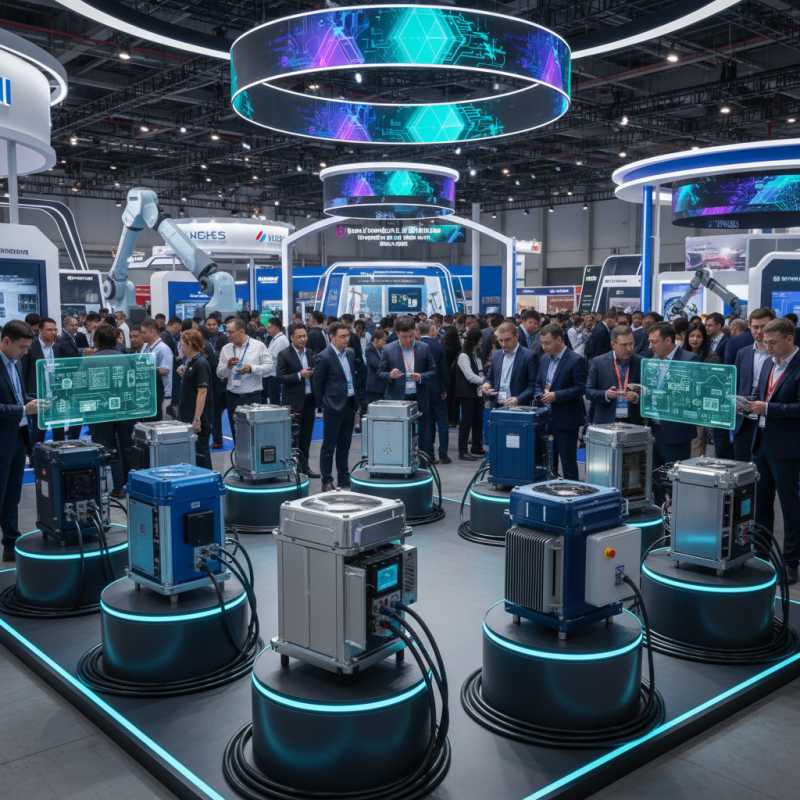
Top 10 Key Features to Look for in Plating Current Rectifiers
When exploring plating current rectifiers, certain key features stand out. Efficiency is paramount. A rectifier with high efficiency reduces energy loss during operation. Look for devices with efficiency ratings above 90%. This improvement saves costs and enhances productivity.
Output voltage stability is another crucial characteristic. Stable voltage ensures consistent plating quality. Fluctuations can lead to defects in plated products. A rectifier that maintains output voltage under varying loads is ideal. This consistency can sometimes be overlooked, leading to poor results.
Safety features are essential as well. Overvoltage and overcurrent protection prevent equipment damage. Ensuring operators’ safety during use is non-negotiable. Additionally, the ease of integration into existing systems should not be ignored. A complex installation can lead to delays and complications. Therefore, considering user-friendly designs is vital when selecting a rectifier for your plating needs.
Market Trends in Plating Current Rectifiers for 2023
The plating current rectifiers market is evolving rapidly in 2023. Recent industry reports suggest that the global market size for these rectifiers is projected to reach USD 1.5 billion by the end of this year. This growth is influenced by the rising demand for efficient electroplating processes in electronics and automotive industries.
One notable trend is the increasing focus on energy efficiency. Manufacturers are adopting more sustainable technologies. Reports indicate that rectifiers with over 90% energy efficiency are becoming standard. However, the industry faces challenges. Many existing products still fall short of these efficiency benchmarks. Companies must rethink design and production strategies to remain competitive.
Additionally, the shift towards digitalization is notable. Smart rectifiers that integrate IoT capabilities are gaining traction. They offer real-time monitoring and control, enhancing operational efficiency. Yet, the integration of advanced technology can be complex. There are concerns about the reliability of these new systems, and the industry must ensure robust solutions are available. As the market continues to grow, addressing these challenges is vital for future success.
Comparative Analysis of Efficiency Ratings in Rectifiers
When exploring rectifiers at trade shows like the Canton Fair, efficiency ratings stand out. Efficiency is crucial in plating current rectifiers. Recent reports suggest that some rectifiers achieve efficiencies as high as 95%. However, discrepancies exist. Various manufacturers report different efficiency rates, some as low as 80%. Thus, understanding these variations is essential.
In comparing rectifiers, one must consider not only efficiency but also thermal performance. High-efficiency rectifiers often generate less heat. This results in a longer lifespan for the equipment. However, low-rated rectifiers may attract buyers solely based on price, leading to higher long-term costs. Efficiency is not always the only factor.
Tips: Always check the manufacturer's specifications. Look for real-world efficiency reports and customer reviews. Don't rely solely on advertised numbers; they may not reflect actual performance. Evaluate your needs before making a decision. In the pursuit of high efficiency, don't sacrifice the quality or sustainability of your processes.
Emerging Technologies Shaping the Future of Current Rectifiers
The evolution of current rectifiers is fascinating. Emerging technologies are driving significant changes in their design and functionality. Advanced materials are making rectifiers more efficient. New semiconductor technologies enhance performance and reliability.
Recent developments include gallium nitride (GaN) and silicon carbide (SiC). These materials provide higher switching speeds and better thermal management. They consume less power, which is essential for modern applications. However, the cost of these materials can be a barrier to widespread adoption.
While innovation is promising, challenges remain. Manufacturers are still figuring out how to optimize production processes. Ensuring quality and consistency is crucial. Some designs may not meet the efficiency standards required for high-demand applications. Continuous feedback is necessary for improvement. A balance between innovation and practicality is key in this evolving industry.
Impact of Regulatory Standards on Rectifier Selection at Canton Fair
At the Canton Fair, the selection of plating current rectifiers is heavily influenced by regulatory standards. These standards ensure safety, reliability, and efficiency in electrical components. Buyers must understand these guidelines to avoid costly mistakes. A rectifier that doesn't comply can lead to operational issues later. Different regions have different requirements, adding complexity to the selection process.
When exploring options, consider how materials and design impact rectifier performance. For example, some materials might not meet local safety specifications. This oversight can result in failed inspections and delays. It’s critical to research the specific regulations for your market before buying.
Tips:
- Always check compliance certificates.
- Engage with manufacturers about their testing processes.
- Don't rush; it’s better to take time than to regret a poor choice.
 English
 Español