Top Tips for Choosing High Pressure Electric Ball Valves?
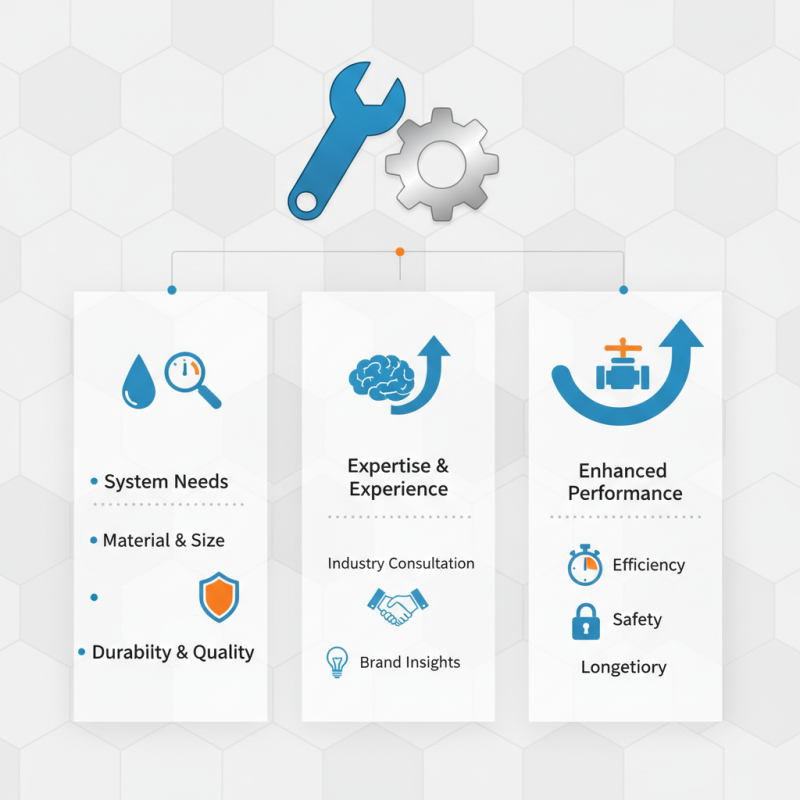
Choosing the right High Pressure Electric Ball Valve can be a daunting task. With numerous options available, it’s essential to consider various factors before making a decision. These valves play a crucial role in controlling fluid flow in high-pressure systems. Their selection impacts efficiency, safety, and performance.
Understanding the specific needs of your application is vital. High pressure demands precise control and reliability from valves. Factors such as materials, size, and connection types must align with your system's requirements. Quality is not just about performance; it's also about durability.
Moreover, experience with different brands can lead to insights that help narrow your choices. Consulting industry experts can provide valuable recommendations tailored to your needs. Remember that the right High Pressure Electric Ball Valve will enhance your system’s overall functionality and longevity.
Understanding High Pressure Electric Ball Valves: Key Features
High pressure electric ball valves are crucial in various industrial applications. They offer reliable control over fluid flow and can withstand extreme pressures. Understanding their key features can guide you in making informed choices.
One important feature is the valve material. Stainless steel is commonly preferred for high pressure applications due to its strength and resistance to corrosion. According to industry reports, over 70% of high pressure valves are made from stainless steel, which enhances durability and longevity.
Tip: Always consider the operating temperature range of the valve. High pressure electric ball valves can operate in extreme conditions. Choosing a valve that meets these specifications can prevent failures.
Another key element is the actuator type. Electric actuators provide precise control and quick response times. The International Society of Automation notes that electric actuators reduce energy consumption by up to 30% compared to pneumatic options.
Tip: Look for valves with integrated diagnostic functions. These can provide real-time feedback on valve performance, ensuring reliable operation.
While high pressure electric ball valves offer many advantages, it’s vital to evaluate each feature. Some users report challenges with compatibility in specific systems. Regularly assessing valve performance can help identify potential issues before they escalate.
Identifying Application Requirements for High Pressure Electric Ball Valves
When selecting high pressure electric ball valves, understanding application requirements is crucial. Identifying the operating pressure and temperature ranges is a priority. High pressure systems often operate above 150 psi, demanding valves designed to withstand these conditions. According to a recent industry report, approximately 45% of valve failures stem from improper specifications, emphasizing the need for thorough evaluation.
Material selection plays a vital role too. Common materials include stainless steel and brass, which provide durability and corrosion resistance. However, choosing a valve with the wrong material can lead to premature failure in harsh environments. Research shows that nearly 30% of companies report high rates of maintenance issues due to material incompatibility. Always verify that chosen materials match the fluid type and application demands.
Pressure ratings must align with system specifications. The valve should exceed the maximum system pressure to ensure reliability. Many users overlook this, resulting in catastrophic failures. Continuous review of operational data is essential. Conducting regular maintenance checks can reveal potential weaknesses, allowing for timely adjustments. Analyzing these factors can enhance longevity and safety.
Evaluating Valve Materials and Construction for Longevity and Reliability
When selecting high pressure electric ball valves, the materials and construction are crucial for longevity and reliability. According to industry reports, stainless steel and brass are popular choices due to their excellent corrosion resistance and strength. A well-constructed valve should withstand high pressures without failure. Specifications often indicate that the tensile strength of materials must exceed 200 MPa to ensure durability in extreme conditions.
The valve design also matters significantly. Multi-layer seals and reinforced bodies can enhance performance. However, some valves do not meet these standards, leading to premature wear. In a study conducted by the American Society of Mechanical Engineers, up to 30% of valve failures were attributed to inadequate material choice. This statistic underscores the need for careful evaluation when sourcing valves for critical applications.
Additionally, contractors should consider environmental factors impacting the valve’s lifespan. Exposure to harsh chemicals or fluctuating temperatures can affect valve integrity. Some vendors might overlook these factors, leading to costly replacements down the line. Balancing cost and quality is tricky, but prioritizing robust materials and construction can yield long-lasting results.
Top Tips for Choosing High Pressure Electric Ball Valves
| Material | Pressure Rating (psi) | Temperature Range (°F) | Construction Type | Longevity (Years) | Common Applications |
| Stainless Steel | 5000 | -40 to 300 | Full Port | 20+ | Oil, Gas, Water |
| Brass | 3000 | -20 to 250 | Std Port | 15+ | Water, HVAC |
| PVC | 150 | 32 to 140 | Ball Valve | 10+ | Chemicals, Drainage |
| Carbon Steel | 6000 | -20 to 400 | Welded | 25+ | Pipelines, Industrial |
Assessing Control Options and Compatibility with Automated Systems
When choosing high-pressure electric ball valves, it's crucial to assess control options thoroughly. These valves must be compatible with your automated systems for optimal performance. Checking control types, such as analog or digital signals, can significantly impact efficiency.
Compatibility issues often arise when integrating new valves. Ensure that the chosen valves align with existing control protocols. A mismatch can lead to inefficiencies. Perform tests in a controlled setting to identify potential problems early on. Automated systems should respond predictably to commands.
Consider the environment where the valves will be used. High-pressure applications can subject components to extreme conditions. Evaluate whether the materials can withstand pressure variations and temperature changes. A failure in these aspects can disrupt operations. Gather feedback from professionals with experience in specific industries to improve decision-making.
Checking Manufacturer Reputation and Product Warranty for Assurance
When selecting high pressure electric ball valves, checking the manufacturer's reputation is essential. Reliable companies often have a solid history and positive customer feedback. Look for online reviews and professional ratings. This can give you insight into the performance and durability of their products. A well-established brand usually indicates trustworthiness and quality.
Product warranties are another critical factor. A comprehensive warranty reflects the manufacturer’s confidence in their product. It often covers defects and performance issues, providing peace of mind. Ensure that the warranty duration is reasonable. Short warranties might signal potential issues. Taking time to understand the warranty terms can save you from future costs and frustrations.
Sometimes, great manufacturers also experience failures. No product is flawless. Reading about real user experiences can reveal both strengths and weaknesses. Look for common complaints, as these can provide future insights. While the industry can offer guidance, individual needs may vary widely. Engage in discussions with experts or peers for a more nuanced understanding.
Comparison of Manufacturer Reputation and Product Warranty for High Pressure Electric Ball Valves
 English
 Español