Top Tips for Choosing Industrial Dynamic Checkweighers at Canton Fair?
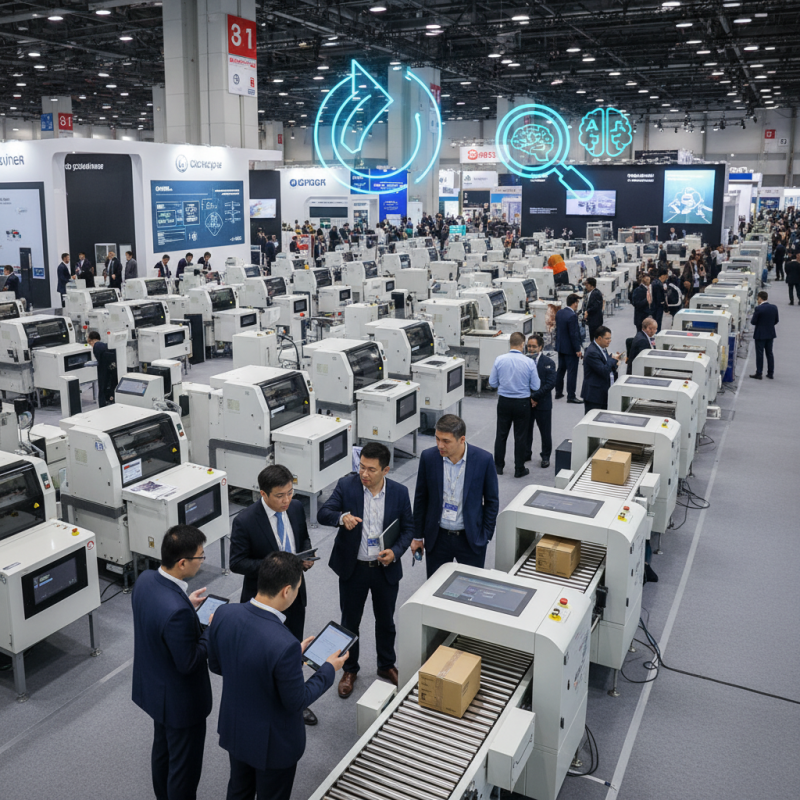
Choosing the right Industrial Dynamic Checkweigher can be a challenging task. The Canton Fair offers an excellent opportunity to explore numerous suppliers and products. With over 1.5 million square meters of space, navigating the exhibits can be daunting. The introduction of AI-powered search and smart navigation enhances the experience. Buyers can quickly filter suppliers who meet specific qualifications, such as ISO and CE certifications.
Identifying the right equipment involves careful consideration. Pay attention to the accuracy and speed of the checkweighers on display. Some may overstate their capabilities. Observing real-time demonstrations can provide insights into their performance. Engage with the suppliers to understand their customer service and support options. Communication is key; inquire about warranty terms and after-sales service.
Reflecting on your requirements is vital. What specific products will you weigh? Will the checkweigher integrate seamlessly into your existing production line? Addressing these questions leads to better decision-making. Remember, the best choice balances cost, quality, and functionality.
Key Features to Consider in Industrial Dynamic Checkweighers
When selecting industrial dynamic checkweighers, several key features should be prioritized. Accuracy is critical. A reliable checkweigher must provide precise measurements to maintain product quality. Look for technology that ensures minimal variance. Over time, inaccurate measurements can lead to significant losses and customer dissatisfaction.
Speed is another vital aspect. Your checkweighers should operate efficiently on production lines. If they slow down the flow, it defeats the purpose. Aim for machines that balance speed with accuracy. Users sometimes overlook calibration features. Regular calibration is essential to maintain accuracy. Machines that require frequent adjustment can disrupt operations.
Consider the user interface as well. A simple, intuitive design can greatly improve efficiency. If operators struggle with complex controls, errors can occur. Additionally, think about the machine's adaptability. Some checkweighers integrate easily with existing systems. This can save time and reduce costs. A flexible solution helps when production requirements change. Reflecting on these features can lead to better decision-making.
Understanding the Different Types of Checkweighers Available
When attending the Canton Fair, understanding the types of industrial dynamic checkweighers is crucial. These machines vary significantly in design and function. The main types include static checkweighers, dynamic checkweighers, and inline checkweighers. Each type serves different industrial needs. For example, dynamic checkweighers are designed for high-speed production lines. They ensure products meet weight specifications on the fly. This is essential in maintaining quality control.
Consider your production speed and volume when selecting a checkweigher. If your line is fast-paced, a high-speed dynamic model may be best. However, it may come with a higher cost. Reflect on how this impacts your budget. Evaluate the trade-offs between speed and accuracy. Not all checkweighers are suitable for every application. You might find that a simpler model suffices if your production runs are less demanding.
Be mindful of the machine’s ease of use. It should integrate seamlessly with your existing systems. Look for features like user-friendly interfaces and easy calibration. These aspects can significantly affect operator efficiency. Don’t overlook maintenance requirements as well. This will influence the long-term cost of ownership. Sometimes, complex machinery may lead to frustration over time.
Comparison of Different Types of Industrial Dynamic Checkweighers
Importance of Accuracy and Precision in Checkweighing Solutions
When choosing industrial dynamic checkweighers, accuracy and precision are paramount. In manufacturing, even minor weight discrepancies can lead to significant issues. A checkweigher's primary role is to ensure that every product meets specified weight requirements. This can prevent waste and improve quality control.
One crucial tip is to evaluate the system's accuracy. Understand the acceptable tolerance levels for your products. This allows you to select equipment that will consistently meet your standards. It's not just about the weight; it's about maintaining product integrity.
Another important consideration is the speed of the checkweigher. Faster does not always mean better. A high-speed checkweigher might compromise accuracy. It’s essential to find a balance between speed and precision. Assess how the machinery performs with different product types under varied conditions.
Finally, think about user-friendliness. Complex systems may lead to operator errors. Clear interfaces and intuitive controls improve accuracy. Continuous training and evaluation of the machinery's performance can help identify issues early. Regular calibration is also critical to maintain effectiveness over time.
Evaluating Technology and Integration Capabilities for Checkweighers
When selecting dynamic checkweighers, evaluating technology and integration capabilities is crucial. Modern checkweighers utilize advanced sensors and software for accurate measurements. High-resolution displays provide real-time data. This feature helps operators quickly assess product weight and compliance. Factors like speed and accuracy vary across models. A thorough understanding of these aspects ensures better choices.
Integration with existing systems is another essential consideration. Checkweighers should seamlessly connect with packing lines and quality control systems. This connectivity saves time and reduces errors. Seek models that offer user-friendly interfaces for easy operation. Sometimes, companies overlook training needs. Employees must be comfortable with new technology for smooth workflow. Ignoring this step can lead to inefficiencies.
While evaluating different options, watch for specifics like dimension and weight limits. The checkweigher should fit well within your production line. Customization options may be beneficial but can complicate decisions. Reflect on what features are truly necessary for your operation. Ultimately, weighing technology decisions is not just about specs but also about how they meet your unique needs.
Assessing Supplier Reputation and After-Sales Support Options
When selecting industrial dynamic checkweighers at the Canton Fair, evaluating suppliers is crucial. Supplier reputation speaks volumes. It’s essential to research their background, focusing on their experience and customer feedback. Ask for references from past clients. You’ll gain insights about their reliability and service quality.
After-sales support options are equally important. A checkweigher is an investment that requires maintenance. Understand the warranty terms and technical support provided. Will the supplier offer on-site training for your staff? Can they assist with repairs promptly? These factors can impact your operations significantly.
At the fair, be proactive in your discussions. Some suppliers may provide vague responses. Pay attention to these details; they might indicate other issues. Good suppliers will encourage transparency and address your concerns directly. Ensure you feel confident in their abilities before making a decision.
Top Tips for Choosing Industrial Dynamic Checkweighers at Canton Fair? - Assessing Supplier Reputation and After-Sales Support Options
| Criteria | Evaluation | Notes |
| Supplier Reputation | Highly Rated | Check online reviews and industry feedback. |
| Experience in the Industry | 10+ years | Long-standing presence indicates reliability. |
| After-Sales Support | 24/7 Support Available | Critical for troubleshooting and maintenance. |
| Warranty Period | 2 years | A longer warranty often indicates confidence in product quality. |
| Customization Options | Available | Important for meeting specific operational needs. |
| Training and Resource Availability | Yes, Online Resources Provided | Essential for ensuring proper use of equipment. |
 English
 Español