Ultimate Guide to POF Shrink Tube Bag Tips for Best Results
In today's world, packaging plays a crucial role in how products are presented and preserved. The POF Shrink Tube Bag is a popular choice for many businesses. Its versatility offers an ideal solution for packaging various items, from electronics to food products. Using this packaging can enhance product longevity while maintaining an appealing appearance.
However, achieving the best results with a POF Shrink Tube Bag requires understanding and careful execution. Many users overlook important details, which can lead to unsatisfactory results. For instance, incorrect heat settings can damage the packaging. Also, improper sealing might cause air leaks, compromising the product's quality.
As you explore our ultimate guide, keep in mind that perfection is a journey, not a destination. Take time to reflect on your methods and adjust as necessary. By applying thoughtful techniques, you can optimize your use of the POF Shrink Tube Bag for outstanding results.
Understanding POF Shrink Tube Bags: What They Are and Their Uses
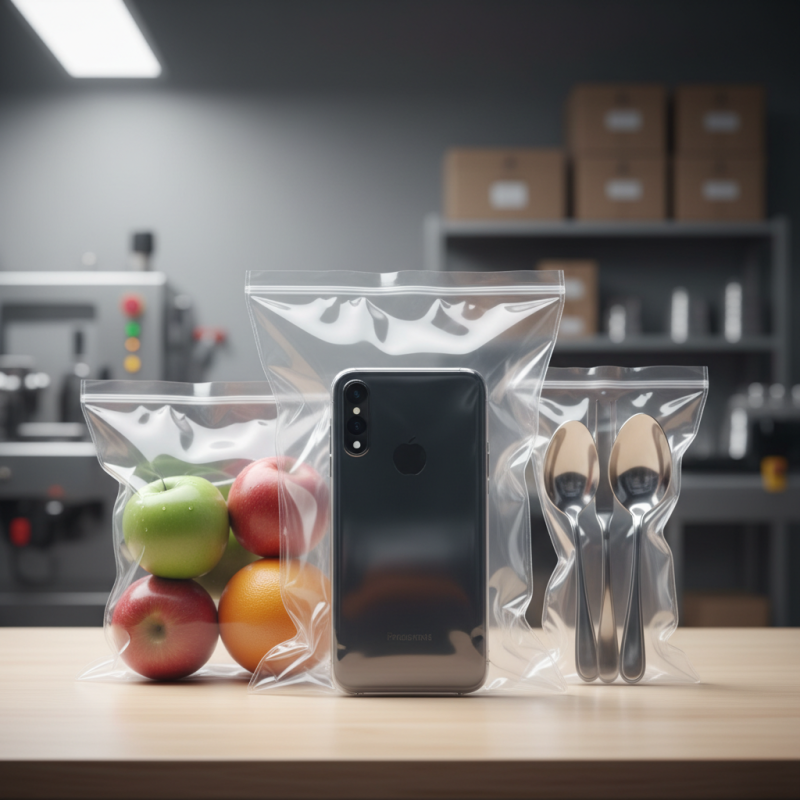
POF shrink tube bags are an essential tool for packaging and protecting various items. These bags are made from polyolefin plastic, which shrinks when heat is applied. This creates a tight seal around the contents, ensuring they stay safe and intact. Many use these bags for food items, electronics, and gifts. However, understanding how to use them effectively can be tricky.
Heating the bags properly is crucial for achieving the best results. Overheating can cause the bag to melt. It’s important to keep the heat source at an appropriate distance. A heat gun works well, but a hairdryer can also do the job. The key is to move it evenly around the bag to avoid hotspots. Some users get frustrated with this, as inconsistent heating can lead to poor results.
Before sealing items, make sure they are dry and clean. Moisture can create issues, leading to spoilage or damage. Planning your packaging is essential. Sometimes, bags might not fit perfectly, prompting a rethink on how you pack things. It’s all part of the learning curve. Experiment with different items to see what works best for you. Each application offers lessons on optimizing the process.
The Benefits of Using POF Shrink Tube Bags for Packaging
POF shrink tube bags are an excellent choice for many packaging needs. These bags are made from high-quality materials that shrink to form a tight seal around products. They are highly versatile, suitable for items of various shapes and sizes. This adaptability makes them perfect for both small and large items.
One notable advantage is their durability. POF shrink tube bags protect against dust, moisture, and physical damage. You will feel more confident knowing that your products are secure. Moreover, the transparent nature of these bags allows customers to view the items clearly. This visibility can enhance the appeal of the products, potentially increasing sales.
However, there are challenges to consider. Proper heat settings are vital for achieving the desired shrink effect. Too much heat can ruin the bag, while too little may leave it loose. Testing different settings may take time but is worth it for achieving a professional finish. Also, ensure that the bags fit snugly around the items. An improper fit can affect both the presentation and protection.
Step-by-Step Guide to Properly Using POF Shrink Tube Bags
Using POF shrink tube bags effectively requires attention to detail. Start by selecting the right size bag for your items. This ensures complete coverage and reduces waste. A report by the Packaging Association states that proper sizing can improve packaging efficiency by up to 30%. Consider the thickness of the bag as well. A thicker bag offers better durability, especially for heavier items.
Heating the bags uniformly is essential. Avoid overheating, as this can cause bubbles and uneven seals. It’s suggested that consistent heating helps maintain the integrity of the shrink wrap. Many beginners often overlook this step, resulting in unsightly finishes. Using a heat gun or a conveyor system can lead to better results. Aim for a temperature range of 180°F to 220°F for optimal shrinkage.
Additionally, proper storage before use impacts the end product. Humidity and direct sunlight can weaken the bags, diminishing their effectiveness. A study found that 25% of shrink-wrapped items failed due to improper storage conditions. Inspect the bags prior to use; small imperfections can lead to greater issues down the line. Thus, meticulous preparation is key for achieving professional results with POF shrink tube bags.
Common Mistakes to Avoid When Using POF Shrink Tube Bags
When it comes to using POF shrink tube bags, many people make common mistakes that can affect their results. One major mistake is not properly sealing the bags. A weak seal can lead to air entering, which results in unsightly folds or wrinkles. Always check the sealing machine settings to ensure they are appropriate for the thickness of the bags.
Another common error is overheating. It can quickly damage the shrink tube. You may not realize it until the damage is done. Experiment with different heating times to find the right balance. Don't rush this step; patience is crucial.
Lastly, neglecting to test samples before starting a large batch can lead to mistakes. Always do a small test run first. It may save time and material in the end. These simple adjustments can drastically improve your experience with shrink tube bags.
Tips for Achieving Professional Results with POF Shrink Tube Bags
POF shrink tube bags are essential for achieving a polished finish in packaging. According to industry reports, over 70% of businesses report improved product presentation using POF shrink films. The clarity of POF enhances visual appeal. This attracts customers and drives sales. Proper usage of POF ensures a tight fit around products. Loose bags can lead to unprofessional appearances.
Temperature control is crucial when working with POF. The recommended heating range is between 120°C to 160°C. Too high a temperature can cause damage. This results in unsightly burns and product spoilage. Conversely, insufficient heat prevents proper shrinking. This can leave wrinkles and air pockets. It's best to experiment with your heat settings.
Practicing on sample products helps you determine the optimal conditions. Track your results meticulously; record data for adjustments. Even minor variations can affect quality. Feedback is essential here. Don't hesitate to seek opinions from colleagues or customers. Addressing imperfections early increases the chances of a successful run. Embrace the learning process to refine your technique and enhance final output.
 English
 Español