

- Our Products
- Repairs & Service
- Custom Design
- Blog
- About Us
- Resources
- Industries
- Contact Us
- Contact Bestrei UK
- Compliments / Complaints
- Global Supply

In the world of engineering, optimizing Rotating Machines is crucial for enhancing efficiency. Dr. Alice Thompson, a renowned expert in mechanical engineering, once stated, "Efficient systems lead to sustainable growth." This sentiment highlights the importance of maximizing the performance of these machines. Rotating Machines play a vital role in various industries, including manufacturing and energy production.
Understanding the mechanics of Rotating Machines can unlock potential gains. For instance, regular maintenance can prevent unexpected downtimes. Implementing advanced technologies like IoT can provide valuable insights into performance data. However, many companies overlook these opportunities. A common mistake is to focus solely on cost reduction instead of efficiency growth. Such an approach can lead to greater long-term expenses.
Balancing performance and maintenance is essential. A lack of attention can lead to inefficiencies that accumulate over time. On the other hand, investing in optimized systems can yield high returns. Rethinking strategies surrounding Rotating Machines might reveal hidden opportunities. As industries evolve, so too must our approach to maximizing machine performance.
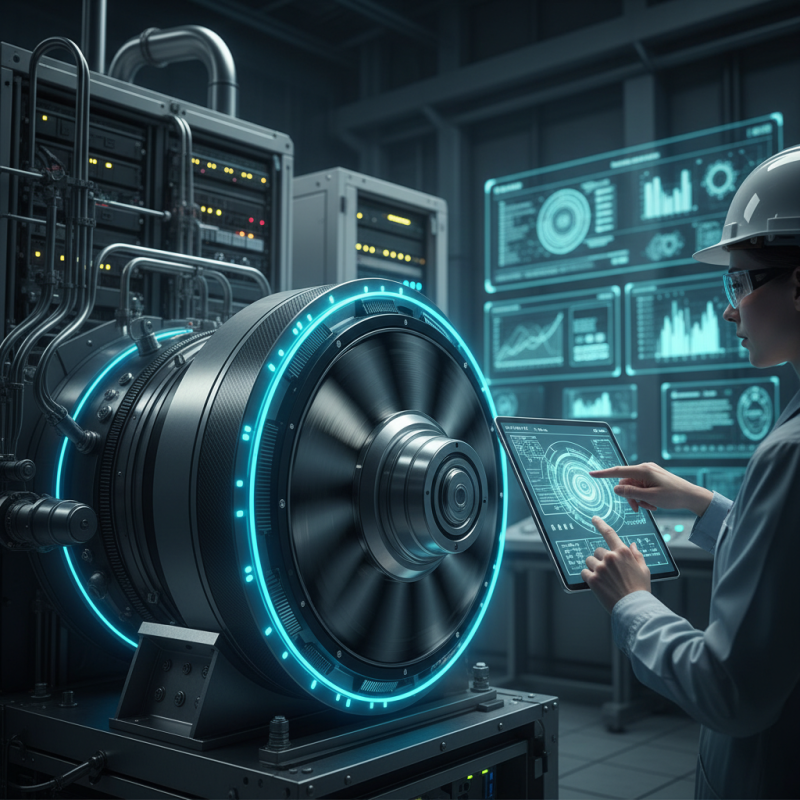
Understanding the basics of rotating machines is crucial for optimizing their efficiency. These machines, such as motors and generators, convert energy into motion. Their performance affects overall energy consumption in various industries. According to the International Energy Agency, industrial motors alone account for nearly 70% of all industrial electrical consumption. This highlights the importance of enhancing their efficiency.
Tips for Optimization: Regular maintenance is vital. Clean any dust and dirt from components. Lubrication can reduce friction and wear. Ensure that all connections are tight to avoid energy losses.
Proper sizing of machines impacts efficiency. Oversized machines often run inefficiently and waste energy. On average, a correctly sized machine can improve efficiency by 15-30%. Monitoring performance can also be beneficial. Use vibration analysis to detect imbalances that can lead to inefficiency. Small adjustments can lead to significant energy savings.
It's essential to reflect on operating conditions. High temperatures or humidity can reduce machine lifespan. Evaluating the environment where rotating machines operate can lead to better decision-making. Adapting to changing conditions is necessary to maintain optimal efficiency.

Efficiency in rotating machines hinges on several key factors. One primary aspect is the quality of the materials used. High-grade components often lead to better performance. However, not all materials are easy to source. There can be trade-offs between cost and quality. Using subpar materials might save money but could decrease longevity.
Another crucial element is the design of the machine itself. A well-thought-out design ensures optimal airflow and minimizes friction. Simple adjustments can make a significant difference. For example, reshaping certain parts might enhance the overall flow. Yet, not every design change guarantees an improvement. Each modification must be thoroughly tested.
Maintenance practices also play a vital role. Regular checks can prevent wear and tear. Neglecting even small issues can lead to bigger problems. Sometimes, operators overlook these tasks, thinking everything is fine. Routine upkeep is often sidelined, affecting long-term efficiency. Addressing these issues can save both time and resources, ensuring that machines run at their best.
Rotating machines are essential in various industries. However, their efficiency is often less than optimal. Many reports indicate that inefficiencies can lead to energy losses of up to 30% in these systems. Identifying these inefficiencies requires a systematic approach. For instance, monitoring vibration levels can reveal issues with alignment and balance. Regularly analyzing these factors is crucial for maintaining peak performance.
Another method involves examining power consumption patterns. Studies show that around 20% of operational costs stem from electrical inefficiencies. By using advanced diagnostic tools, teams can uncover hidden problems in power supply and distribution. Often, simple adjustments can yield significant energy savings. However, many organizations fail to implement these strategies, leaving room for improvement.
Thermal imaging is an effective technique for assessing the heat generated during operation. Excessive heat is often a sign of wear or suboptimal functioning. Several reports highlight that addressing overheating can improve machine lifespan by up to 50%. Yet, many overlook this aspect. A proactive approach to these analyses can foster a more sustainable and efficient environment.
Maintaining rotating machines for maximum efficiency requires diligent strategies. Regular inspection is crucial. Inspect components like bearings, seals, and alignment. Small issues can lead to bigger problems. A simple misalignment can cause significant energy loss.
Upgrades also play a vital role in enhancing efficiency. Consider replacing aged components with modern alternatives. Technology has advanced significantly; these upgrades can bring measurable improvements. A new sensor can provide real-time data. This data aids in pinpointing inefficiencies quickly.
However, ensuring optimal performance is not always straightforward. Budget constraints can limit upgrades. Some machines may not be suitable for advanced technologies. In these cases, prioritizing maintenance becomes essential. Regular training for operators is also necessary. This helps them understand the importance of efficiency and maintenance. There will always be room for improvement and reflection in these practices.
| Machine Type | Efficiency Rating (%) | Maintenance Frequency (Months) | Upgrade Recommendations | Potential Efficiency Gain (%) |
|---|---|---|---|---|
| Electric Motor | 90 | 6 | Install variable frequency drive | 5 |
| Pump | 85 | 12 | Upgrade impeller design | 10 |
| Fan | 88 | 9 | Adjust blade angle | 7 |
| Compressor | 87 | 10 | Seal leaks, replace worn parts | 8 |
| Turbine | 92 | 18 | Upgrade turbine blades | 12 |
Optimizing rotating machines requires a blend of advanced technologies. Integrating IoT devices into these systems allows real-time data collection. sensors can monitor temperature, vibration, and energy consumption. This data is crucial for predictive maintenance. Machine operators can address issues before they escalate.
Implementing machine learning algorithms offers additional benefits. These algorithms can analyze vast amounts of operational data. They identify patterns that might not be visible to the human eye. However, balancing complexity is vital. Not all operators may understand advanced analytics fully. Training is essential to unlock the true potential of these tools.
Incorporating simulation software can aid in optimization efforts. It allows engineers to model machine performance under various conditions. They can test scenarios without disrupting actual operations. Yet, simulation outcomes may not always reflect real-world results. Continuous validation against physical data is necessary. This iterative approach can sometimes lead to unexpected findings.
Bestrei UK has a strong footprint across Europe
United Kingdom, Ireland, France, Germany, Norway, Finland Sweden, Spain, Italy
