Low Voltage Transformer Bushing Buying Guide for Global Buyers?
When investing in Low Voltage Transformer Bushings, global buyers must navigate a complex landscape. According to a recent industry report by ResearchAndMarkets, the global low voltage transformer bushing market is expected to grow at a CAGR of 5.5% from 2021 to 2026. This growth is driven by increased demand for reliable electricity distribution in both urban and rural areas.
Expert Wayne Travers, a leading figure in transformer technology, emphasizes the importance of quality in this sector: “Choosing the right low voltage transformer bushing can significantly enhance the longevity and performance of electrical systems.” This highlights the critical role these components play in ensuring efficient energy distribution and reducing operational risks.
However, the market is not without challenges. Many buyers struggle to identify the best materials and specifications suited to their unique applications. This is where informed decision-making becomes essential. Researching product features, manufacturer reputation, and compliance with international standards can help mitigate potential risks. In a sector where reliability is paramount, making informed choices on Low Voltage Transformer Bushings becomes crucial for operational success.
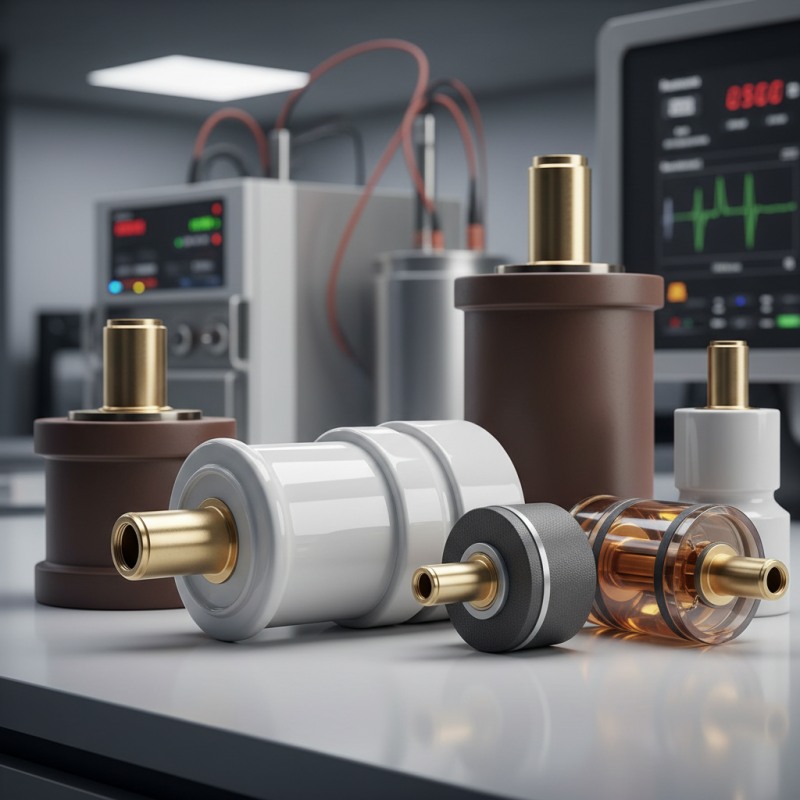
Understanding Low Voltage Transformer Bushings: A Comprehensive Overview
Low voltage transformer bushings play a crucial role in electrical distribution systems. They act as insulated conduits for electrical connections, ensuring safe operations. According to the International Electrotechnical Commission (IEC), improper installation or poor quality bushings can lead to electrical failures, risking equipment and safety.
Many buyers focus on specifications. Yet, there’s more to consider. The material used in the bushing impacts performance and durability. For example, silicone rubber offers high reliability in various environments. A recent report by the Electric Power Research Institute noted that surges in power demand stress transformers, making quality bushings essential. Visual inspections often reveal wear and degradation, underscoring the importance of regular maintenance.
Selecting the right bushing also involves understanding different types. Oil- impregnated paper, synthetic resins, and polymer materials each have unique properties. Ideally, a balance between cost and longevity must be struck. Often, buyers underestimate the implications of their choice; the wrong bushing can lead to long-term reliability issues and increased maintenance costs. Understanding these factors is integral to making informed purchasing decisions.
Low Voltage Transformer Bushing Buying Guide for Global Buyers
| Parameter | Description | Value |
| Nominal Voltage | Typical operating voltage for the transformer bushing | 12 kV - 36 kV |
| Insulation Type | Material used for insulation | Silicone, Epoxy, or Paper |
| Bushing Type | Category of bushing based on application | Vertical, Horizontal, or Hollow |
| Current Rating | Maximum current the bushing can handle | 100 A - 600 A |
| Sealing Method | Type of sealing used to prevent moisture ingress | Gasketed or Sealed |
| Standards Compliance | Regulations met by the bushing | IEC, ANSI |
| Temperature Range | Operational temperature limits | -20°C to 100°C |
| Weight | Approximate weight of the bushing | 5 kg - 15 kg |
Key Specifications to Consider When Buying Transformer Bushings
When selecting low voltage transformer bushings, several key specifications demand attention. Insulation type is crucial; materials like silicone and epoxy are popular due to their dielectric strength. According to industry reports, silicone-insulated bushings display superior performance in both thermal and electrical environments.
Another vital specification is the voltage rating. Ensure the bushing aligns with the transformer's nominal voltage. Discrepancies can lead to failures. Additionally, consider mechanical strength, especially in seismic-prone areas. Bushing designs must withstand vibration, which some manufacturers overlook, leading to potential safety hazards.
Lastly, pay attention to leakage current tests. Manufacturers need to adhere strictly to IEC standards. A bushing with high leakage might indicate a future failure risk. Remember, not all bushings perform the same under stress. Gathering data from multiple sources can aid in making informed decisions. Even the slightest oversight could result in costly downtime or equipment damage.
Types of Low Voltage Transformer Bushings and Their Applications
Low voltage transformer bushings play a critical role in electrical infrastructure. They provide insulation and mechanical support to conductors entering and exiting transformers. Different types are used based on specific applications. For instance, porcelain bushings are widely recognized for their excellent dielectric strength and weather resistance. Their durability makes them suitable for outdoor applications, particularly in harsh environments.
Another common type is resin bushings, which are gaining traction due to their lightweight and compact design. Industry data reports indicate that resin bushings can reduce maintenance costs by up to 30%. This can be significant for facilities looking to lower operational expenses without compromising safety or performance. Furthermore, oil-filled bushings are preferred in high-voltage applications, showcasing superior heat dissipation characteristics.
However, choosing the right type can be challenging. Many factors come into play. The environment, voltage requirements, and installation conditions must all be considered. Improper selection not only leads to performance issues but also increases the risk of failure. A thorough understanding of these various types helps ensure reliability in power distribution systems.
Global Sourcing Tips for Low Voltage Transformer Bushings
When sourcing low voltage transformer bushings globally, consider a few essential tips. First, understand technical specifications like voltage ratings and type of insulation. Research indicates that the global low voltage transformer market is expected to grow at a CAGR of 5.6% from 2020 to 2026. This trend reflects the increasing demand for reliable energy solutions.
In terms of suppliers, prioritize manufacturers with a proven track record. Look for certifications and adherence to international standards. The industry has seen a rise in quality control measures, which enhances the reliability of products. However, discrepancies in quality can occur, underscoring the need for thorough evaluation.
Logistics play a crucial role in global sourcing. Shipping times and costs need careful consideration. It’s advisable to connect with suppliers who can provide transparent shipping information. Communication barriers may also arise. Selecting vendors who offer multilingual support can alleviate some of these challenges. Ultimately, taking these factors into account can lead to more informed purchasing decisions.
Low Voltage Transformer Bushing Market Analysis
Quality Standards and Certifications for Transformer Bushings in the Market
When purchasing low voltage transformer bushings, understanding the quality standards and certifications is crucial. Regulatory bodies set specific benchmarks for materials used in bushings. These standards indicate how well the products can handle environmental stress, mechanical pressure, and electrical insulation.
Buyers often overlook the importance of certifications. Look for products that comply with international standards like IEC or ANSI. These certifications assure quality and reliability. They also help in preventing operational failures. However, not all manufacturers follow these standards diligently. This inconsistency can lead to poorly made bushings entering the market.
When assessing a bushing's quality, consider the testing procedures. Rigorous testing ensures durability and performance. Yet, some manufacturers may cut corners, leading to subpar products. It’s essential to ask for documentation and evaluate the manufacturer’s reputation. This extra step can prevent costly mistakes later on. Quality bushings not only ensure longevity but also protect vital electrical systems.
 English
 Español