What are the Key Features of a Transformer Substation?
Transformer Substations play a crucial role in the electrical distribution system. They receive high-voltage electricity and transform it to usable levels for homes and businesses. This process ensures that power is delivered efficiently and safely.
Key features of a transformer substation include transformers, switchgear, and protection systems. Each component has a specific function and contributes to the overall effectiveness of the substation. The transformer adjusts voltage levels, while switchgear helps in controlling and protecting electrical circuits. However, not all substations are designed the same way, which can lead to potential challenges.
Understanding the intricate details of a transformer substation is essential for both engineers and the general public. It is important to recognize that these facilities require proper maintenance and oversight to function reliably. When analyzing their effectiveness, you might notice some inadequacies in design or operation. Such reflections can help improve future implementations and enhance overall efficiency.
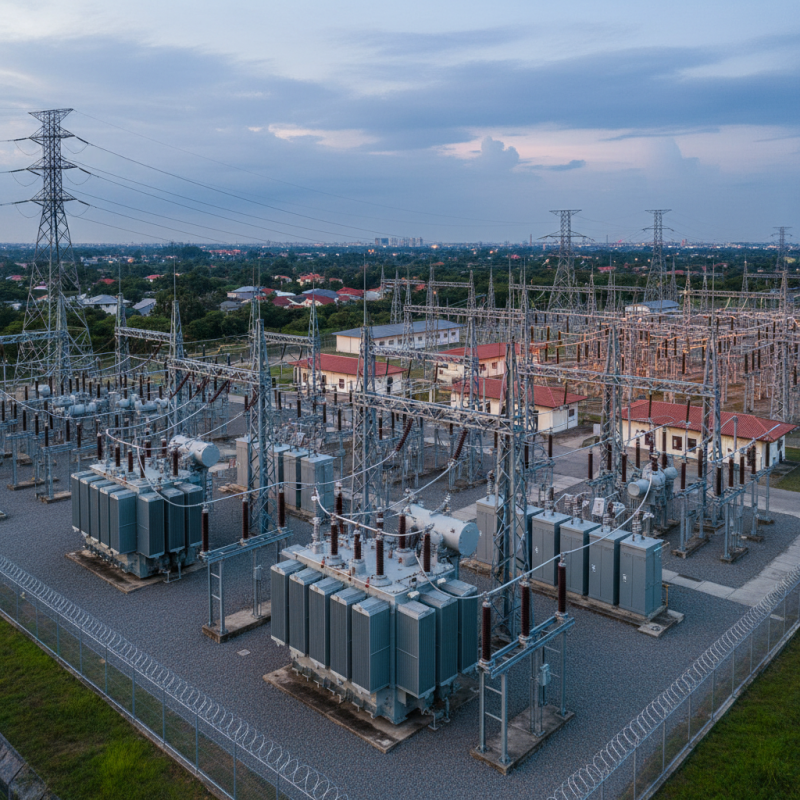
Overview of Transformer Substations and Their Purpose
Transformer substations play a critical role in electrical distribution systems. Their main purpose is to step up or step down voltage levels, ensuring efficient power transfer over long distances. These stations consist of several key components, such as transformers, switchgear, and protective devices. This combination helps maintain the integrity of the power supply while minimizing energy losses.
In a typical setup, transformers reduce high transmission voltages to safer levels for residential and commercial use. They also stabilize voltage fluctuations, which can damage electrical equipment. However, transformer substations require meticulous designs and regular maintenance. Neglecting these aspects can lead to malfunctions or disruptions in service.
Additionally, the environmental impact of substations is a concern. Visual and noise pollution can affect nearby communities. Planning and implementing noise reduction strategies are important. The complexity of transformer substations underscores the need for expertise in engineering and management to ensure that they operate reliably and effectively. Their importance cannot be overlooked in a world increasingly dependent on electricity.
What are the Key Features of a Transformer Substation? - Overview of Transformer Substations and Their Purpose
| Feature | Description |
| Transformer | Converts high voltage to lower voltage for distribution. |
| Switchgear | Controls, protects, and isolates electrical equipment. |
| Busbars | Conductive pathways that distribute power to various circuits. |
| Grounding System | Provides a path for fault currents and protects equipment and personnel. |
| Control Room | Monitors and controls the operations of the substation. |
| Cooling System | Maintains optimal operating temperature for transformers. |
| Protection Relays | Detects faults and initiates disconnection of affected parts. |
| Safety Equipment | Ensures the safety of personnel and equipment through various devices. |
| Communication System | Enables remote monitoring and control of substation operations. |
Key Components of a Transformer Substation
A transformer substation is vital in electrical power systems. Its key components play a significant role in transforming high-voltage electricity into a usable lower voltage. Each part is integral to the effective functioning of the entire system.
The primary component of a transformer substation is the transformer itself. It steps down voltage levels for safe distribution. According to the International Electrotechnical Commission, transformers can achieve efficiencies exceeding 99%. This means that most of the electrical energy is effectively converted. Additionally, utility companies rely on circuit breakers and switches to manage power flow. These devices prevent overload and ensure safety, reducing the risk of outages.
Moreover, substations incorporate protective relays that monitor equipment for faults. Industry data shows these relays can detect problems within milliseconds, a critical feature for preventing extensive damage. Maintenance is another crucial aspect. Routine checks are necessary, yet often overlooked, leading to potential failures. Substation design should prioritize reliability but also account for the limitations of human oversight. The focus should be on balancing high efficiency and necessary vigilance in operations.
Key Features of a Transformer Substation
Functionality of Transformer Equipment and Systems
Transformer substations play a crucial role in electrical power distribution. They bridge high-voltage transmission lines and lower-voltage distribution systems, ensuring efficient energy transfer. Transformer equipment, primarily the step-down and step-up transformers, manage voltage levels adeptly. According to industry reports, proper transformer operation can improve system reliability by up to 30%.
Additionally, protective systems like circuit breakers and relays are vital components. They shield equipment from overloads and faults. These systems respond to electrical anomalies within milliseconds, preventing potential damage and ensuring continued supply. Studies show that well-designed protection systems can reduce equipment maintenance costs by approximately 25%.
However, while transformer substations are robust, they aren't without challenges. Aging equipment can significantly affect performance and reliability. Regular inspections and data analysis can help identify potential issues before they escalate. Yet, many facilities still neglect this aspect, leading to unexpected failures. Ultimately, investing in advanced monitoring technology can enhance operational efficiency and reduce downtime.
Safety Measures in Transformer Substations
Safety is paramount in transformer substations. These facilities can pose risks due to high voltages and heavy equipment. Implementing safety measures can help protect personnel and equipment. Common hazards include electrical shocks, fires, and equipment failures. Regular safety training is essential for all staff.
Emergency response plans are critical. These plans should outline procedures for various emergencies. For instance, fire drills should be routine. Workers must know how to access fire extinguishers and emergency exits. Additionally, personal protective equipment (PPE) must be worn at all times. Hard hats, gloves, and insulated tools are vital.
Moreover, monitoring systems enhance safety. They track temperature, pressure, and electrical loads. Such systems can alert staff to potential failures. Regular maintenance checks also play a role. Inspecting equipment helps identify wear and tear that could lead to accidents. However, human error remains a challenge. Continuous training and vigilance are necessary to maintain safety standards.
Maintenance Practices for Transformer Substation Efficiency
Transformer substations are critical for electrical distribution. Their efficiency relies heavily on effective maintenance practices. Regular inspections help identify wear and tear. Key components like transformers, circuit breakers, and protective relays must be checked often.
Industry reports show that 30% of transformer failures result from inadequate maintenance. A planned maintenance schedule mitigates this risk. This should include thermographic inspections and vibration analysis. Monitoring temperature variations can help in early detection of potential issues.
Proper oil testing is also essential. Analyzing insulating oil can reveal moisture levels and contaminants. It directly impacts the transformer's performance and lifespan. Operators should not overlook the importance of consistent cleaning of equipment. Dirt can accumulate and cause overheating. Neglecting these practices can lead to inefficiencies and costly downtime.
 English
 Español