How to Choose the Right Hydraulic Unit for Your Needs?
Choosing the right Hydraulic Unit is crucial for any project involving fluid power systems. Your choice will affect performance, efficiency, and maintenance. A suitable hydraulic unit can enhance productivity, while the wrong one may result in costly setbacks.
Consider the specific requirements of your application. This includes factors such as pressure, flow rate, and environmental conditions. Each hydraulic unit has its unique strengths and limitations. Not every unit will serve your needs effectively.
Consulting with industry experts can provide valuable insights. They can guide you based on their experience and specialized knowledge. However, it's also wise to reflect on your project’s demands. Mistakes can come from overlooking details. Assessing your options carefully will ensure optimal performance and reliability.
Understanding Different Types of Hydraulic Units Available in the Market
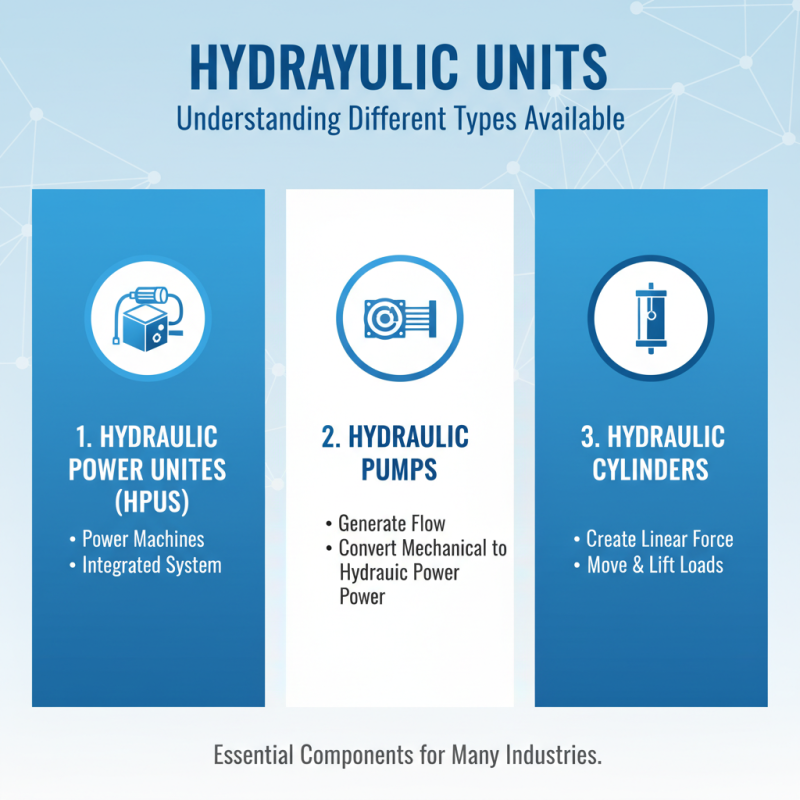
Hydraulic units are essential components in many industries. They power machines for various tasks. Understanding the types available helps in selecting the right one. The most common types include hydraulic power units (HPUs), hydraulic pumps, and hydraulic cylinders. Each serves a unique function.
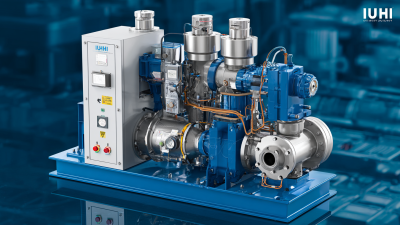
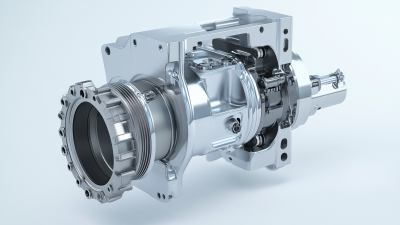
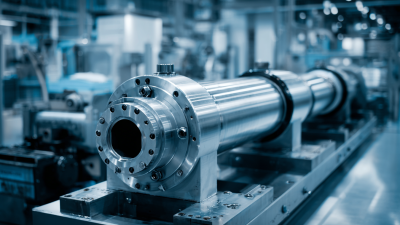
HPUs are designed to convert mechanical energy into hydraulic energy. They consist of a pump, a motor, and a reservoir. Hydraulic pumps are vital for generating flow and pressure. They come in different forms, like gear and piston pumps. These pumps differ in efficiency and performance. Hydraulic cylinders, on the other hand, convert hydraulic energy back to mechanical energy. They are commonly used in construction equipment.
When choosing a hydraulic unit, consider the application and required pressure. Noise and vibration levels are also important. It's crucial to evaluate the energy consumption of the unit. A more efficient unit can save costs in the long run. Some units may not meet specific needs right away, requiring adjustments or upgrades. Understanding these aspects helps avoid costly mistakes.
Identifying Your Specific Application Requirements for Hydraulic Units
When selecting a hydraulic unit, it's crucial to identify your specific application requirements. Start by assessing the type of work you intend to do. Different applications need varying pressure capacities and flow rates. For example, a concrete pump requires higher pressure than a typical hydraulic lift. Understanding these needs forms the foundation for choosing the right unit.
Tip: Always consider the environmental conditions of your application. Will the unit operate indoors or outdoors? Extreme temperatures can affect performance. It’s vital to choose a hydraulic unit rated for these conditions.
Furthermore, evaluate the duty cycle of your application. Will the unit run continuously or intermittently? Running a unit beyond its cycle rating can lead to premature failure. It's essential to align the unit's specifications with your operational needs.
Tip: Maintenance aspects should not be ignored. Regular maintenance ensures durability and efficiency. Make sure to review service requirements, as some units may be easier to maintain than others. This can influence your overall operational costs.
How to Choose the Right Hydraulic Unit for Your Needs?
| Application Area |
Required Pressure (psi) |
Flow Rate (GPM) |
Power Source |
Unit Type |
| Construction Equipment |
3000 |
20 |
Diesel |
Portable |
| Manufacturing |
2000 |
15 |
Electric |
Stationary |
| Agriculture |
2500 |
10 |
Electric / Diesel |
Compact |
| Automotive Repair |
1500 |
5 |
Electric |
Bench Mount |
| Marine |
4000 |
25 |
Diesel |
Mobile |
Key Features to Consider When Selecting a Hydraulic Unit
Choosing the right hydraulic unit can be challenging. Key features play a crucial role in your decision-making process. Start by considering the pressure requirements. Different applications demand varying levels of hydraulic pressure. Assess the maximum pressure needed for your specific tasks. Oversizing may lead to efficiency losses, while undersizing can result in equipment failure.
Next, evaluate flow rates. Flow rate significantly impacts performance. Too low a rate can slow down operations. A rate too high may exceed system capabilities, creating inefficiencies. Ensure the hydraulic unit meets your application’s flow demands without strain.
Additionally, think about environmental conditions. Operating conditions affect the unit's longevity. For instance, exposure to extreme temperatures may require specialized components. Look for durability features and materials capable of withstanding harsh environments.
Evaluate compatibility with existing systems as well. Proper integration is essential for optimal functionality. Choosing a hydraulic unit is not just about specifications but aligning them with real-world applications.
Evaluating Performance and Efficiency Factors in Hydraulic Units
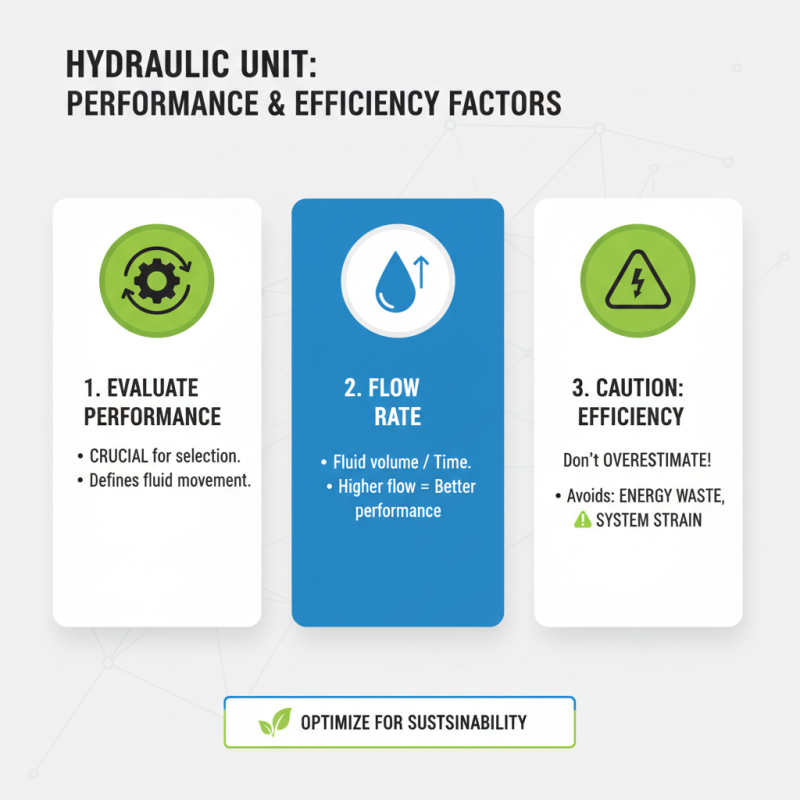
When choosing a hydraulic unit, evaluating performance is crucial. Start by assessing the unit's flow rate. This defines how much fluid the unit can move within a specific time frame. A higher flow rate typically equates to better performance. However, be cautious. Overestimating your needs can lead to wasted energy and potential system strain.
Efficiency is equally important. Look for units with energy-efficient designs. These models often feature advanced motor technologies and improved heat dissipation. This means reduced operational costs over time, which is essential for any budget-minded operation. Think about life cycle costs, not just initial expenses.
**Tips**: Always match the hydraulic unit's capacity to your specific application. It is tempting to upgrade for more power. Yet, this can affect efficiency and increase wear. Monitor environmental conditions too. High or low temperatures can impact performance. A unit that's too powerful for a job can lead to system instability.
Budget Considerations and Cost-Effectiveness for Hydraulic Units
When selecting a hydraulic unit, budget considerations are vital. The initial investment can vary significantly. Reports indicate that lower-end units may cost around $3,000, while high-quality models can exceed $20,000. Careful assessment of your needs can lead to cost-effective choices.
Operational costs must also be factored in. According to industry studies, maintenance can account for up to 15% of total costs annually. This means choosing a reliable unit can save you money long-term. Standard upkeep includes regular fluid checks and seal replacements. Ignoring these can lead to costly downtime.
Evaluating the unit's energy efficiency is crucial. Units with improved energy performance can reduce costs by up to 30%. Look for models with variable speed drives. They adjust motor speed according to workload. This adaptability is beneficial for operations with fluctuating demands. Always weigh the potential savings against the purchase price to ensure you make an informed decision.
Hydraulic Unit Cost Comparison
This chart compares the costs of different types of hydraulic units. Choosing the right hydraulic unit depends on various factors, including budget considerations and the expected performance. Assessing these options can lead to better cost-effectiveness based on your specific needs.
 English
 Español