How to Choose the Best Stainless Steel Grating for Your Project?
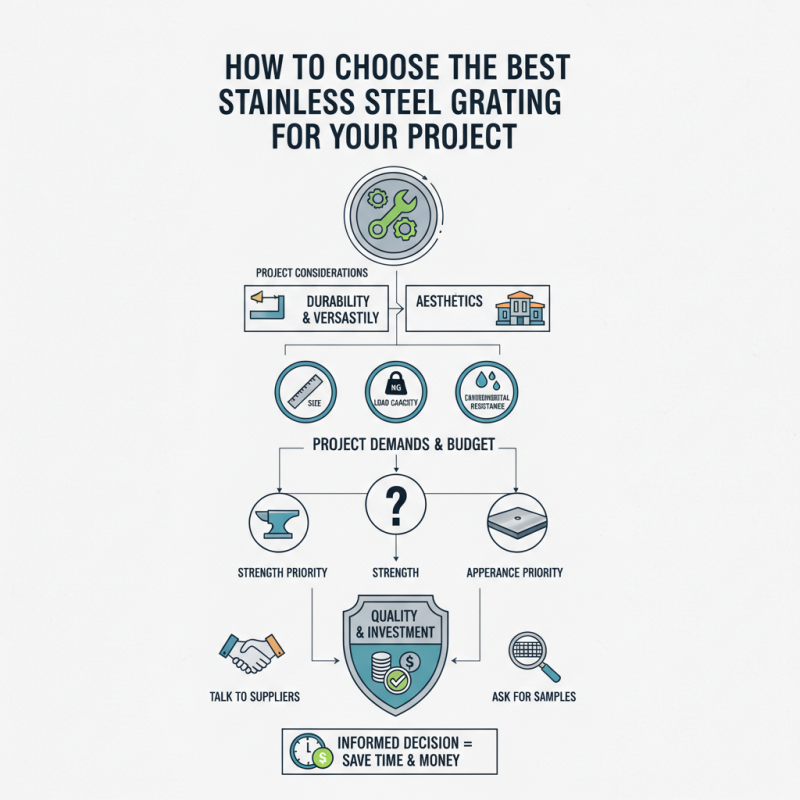
When selecting the best Stainless Steel Grating for your project, several factors come into play. Durable, versatile, and aesthetically pleasing, stainless steel grating can elevate functionality in various applications. You might consider its size, load capacity, and environmental resistance.
Not every type of stainless steel grating is suitable for every project. Some options struggle under specific conditions. Therefore, understanding the nuances of different grating types is vital. Consider your project’s demands and budget. Are you prioritizing strength or appearance?
Quality materials often come with a higher cost. Ensure you are investing wisely. Talk to suppliers and ask for samples. You may find that some grating doesn’t hold up as expected. This could lead to regrets down the line. Making an informed decision now can save you time and money later. Choose wisely to get the best out of your stainless steel grating investment.
Understanding the Different Types of Stainless Steel Grating
When selecting stainless steel grating, understanding the different types is crucial. Stainless steel grating is commonly used for walkways, drainage covers, and safety barriers. Each type serves a specific purpose and varies in design. Familiarizing yourself with these options can enhance your project.
There are several types, including welded, press-locked, and swaged grating. Welded grating is robust, making it ideal for heavy loads. Press-locked grating provides a smoother surface, suitable for pedestrian areas. Swaged grating combines strength and aesthetics, often used in architectural applications. Each type has unique benefits, depending on the intended use.
Tips: Consider the load-bearing capacity required for your project. It’s essential to match the grating type with expected traffic. Additionally, think about the environment. Corrosive areas may require higher-grade stainless steel. Not all stainless steels are created equal. Always consult with a professional if unsure about the best choice. Choose wisely to avoid costly future adjustments.
Evaluating Grating Material Specifications for Durability and Strength
When selecting stainless steel grating, durability and strength are crucial. Different grades of stainless steel can affect performance. For instance, 304 stainless steel is commonly used for indoor applications. It offers good corrosion resistance but may not withstand harsh environments. In contrast, 316 stainless steel is a better choice for coastal areas. Its superior resistance to saltwater and chemicals makes it ideal for outdoor projects.
Another important factor is load capacity. Check the specifications for weight limits. For heavy machinery, choose grating with a higher load rating. The spacing of the bars also impacts strength. Closer spacing provides better support but may limit drainage. Gauge thickness is another consideration; thicker grates generally offer more durability.
While it’s easy to overlook maintenance, this can significantly affect longevity. Regular cleaning prevents debris buildup that can weaken the structure. It’s worth reflecting on your project's specific needs. Consider environmental factors and load requirements carefully. Making an informed choice requires attention to these details for the best outcome.
Assessing Load Capacity Requirements for Your Project Needs
When selecting stainless steel grating, understanding load capacity is essential. Each project differs in its demands. Proper assessment ensures long-lasting performance and safety. According to industry reports, load capacities can range from 200 to over 1,000 pounds per square foot. Your choice should reflect the maximum weight the grating will support.
Consider the application environment. Is it a pedestrian walkway or an industrial site? This affects the type of grating required. For instance, heavy machinery areas will need more robust options. Using the wrong material could lead to dangerous failures. Evaluate load ratings carefully. Consult the grating manufacturer’s specifications to align with your project needs.
Tip: Always account for dynamic loads, not just static ones. Dynamic loads can significantly impact performance. Additionally, environmental factors such as corrosion resistance play a vital role in longevity. A thorough understanding of these factors is crucial for optimal performance. Lastly, revisit your project's requirements regularly to ensure they align with current and future needs.
Selecting the Right Surface Finish for Safety and Aesthetics
When choosing stainless steel grating, the surface finish is crucial for both safety and aesthetics. A well-chosen finish can enhance grip while blending seamlessly with the surrounding environment. For instance, a textured surface can provide better traction, reducing slips in high-traffic areas. In contrast, a polished surface might offer a sleek look but could present safety concerns in wet conditions.
Different applications require different finishes. For industrial settings, a non-slip finish may be vital. In more decorative contexts, you might favor a brushed or satin finish that complements modern architecture. However, it’s important to reflect on the durability of the chosen finish. Some finishes may wear out quickly or become less attractive over time. Regular maintenance can become a burden if you haven’t selected wisely.
You should also consider the reflections and glare from certain finishes. A shiny surface can cause visibility problems in sunlight. Think about your project's lighting and the traffic it will see. Evaluating these factors ahead of time can save you from potential issues later. Balancing aesthetic appeal with practical safety concerns is key. This consideration can guide you towards the right decision that meets both needs.
Factors to Consider for Installation and Maintenance of Gratings
When selecting stainless steel grating for your project, installation and maintenance are crucial. Begin by assessing your environment. Will your grating face heavy traffic or exposure to harsh chemicals? Certain stainless steel alloys resist corrosion better in specific settings. Understanding the unique demands of your project helps in choosing the right material.
Proper installation is key to longevity. Ensure that the grating is securely fastened to prevent movement. Misalignment can lead to unwanted wear and tear. Regular inspections can help identify signs of damage early. Look for rust spots or loose sections that could pose safety risks. A proactive maintenance approach prevents costly repairs and enhances durability.
Consider the cleaning requirements as well. Some designs accumulate debris more easily, making them harder to maintain. You might find that grating types differ significantly in their ability to shed dirt and resist staining. Evaluating these factors closely will guide your decision, ultimately impacting the lifespan and performance of your installation.
Stainless Steel Grating Selection Criteria
 English
 Español