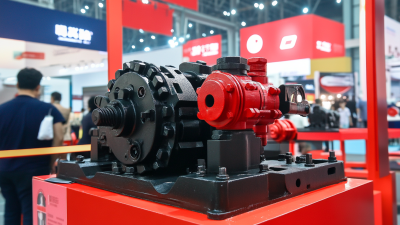
China Top 10 Pump Products for Global Buyers
Global buyers need more than a ranked list when comparing Pump Products. The right choice depends on flow rate, pressure, fluid properties, installation, and operating costs. A centrifugal pump may suit clean water, while a diaphragm or dosing pump may better handle controlled chemical transfer. Submersible, multistage, gear, screw, self-priming, slurry, and fire pumps each serve different duties. No single model wins every application.
Pump handbook authority Igor J. Karassik’s engineering work offers a useful takeaway: “Choose for the system, not the sales pitch.” This is a paraphrased principle, not a verified verbatim quotation. Buyers should check performance curves, wetted materials, motor compatibility, spare-parts access, and service support. Ask suppliers for test data tied to the stated duty point. Details decide performance. A polished brochure cannot show how a pump behaves with changing viscosity, solids, or frequent starts. That caveat matters. Even a carefully researched top ten cannot replace application-specific engineering review. The guide that follows compares ten widely used Pump Products by function, practical strengths, and purchasing considerations, helping buyers ask sharper questions before requesting a quotation.
How China’s Top Ten Pump Products Are Defined and Selected
“Top ten” is not a fixed engineering classification. It is a comparison of pump product types that serve common needs among international buyers. The selection should begin with real operating conditions, not sales claims. That distinction matters.
A useful review may include centrifugal, submersible, self-priming, diaphragm, gear, screw, and multistage pumps, among other types. Each earns consideration for a defined task, such as moving clean water, handling viscous fluids, or maintaining pressure across a tall building. Reviewers can compare flow rate, head, power consumption, wetted materials, and expected maintenance intervals. Test conditions matter. A pump’s stated capacity is less meaningful without the fluid, temperature, and operating point behind it. Where possible, verified test records and clear product documentation provide stronger evidence than catalogue figures alone.
Selection also depends on practical supply factors: customization options, spare-part access, quality-control records, and communication during technical checks. These details can affect ownership costs long after purchase. However, a single ranking cannot fit every buyer. A compact pump may be ideal for one site and unsuitable for another. Even careful comparisons have gaps; field performance can differ from laboratory results, so buyers should confirm specifications against their own duty cycle and installation conditions.
The Main Pump Types Available to Global Buyers
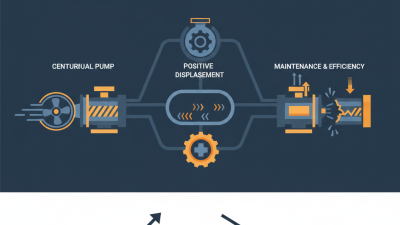
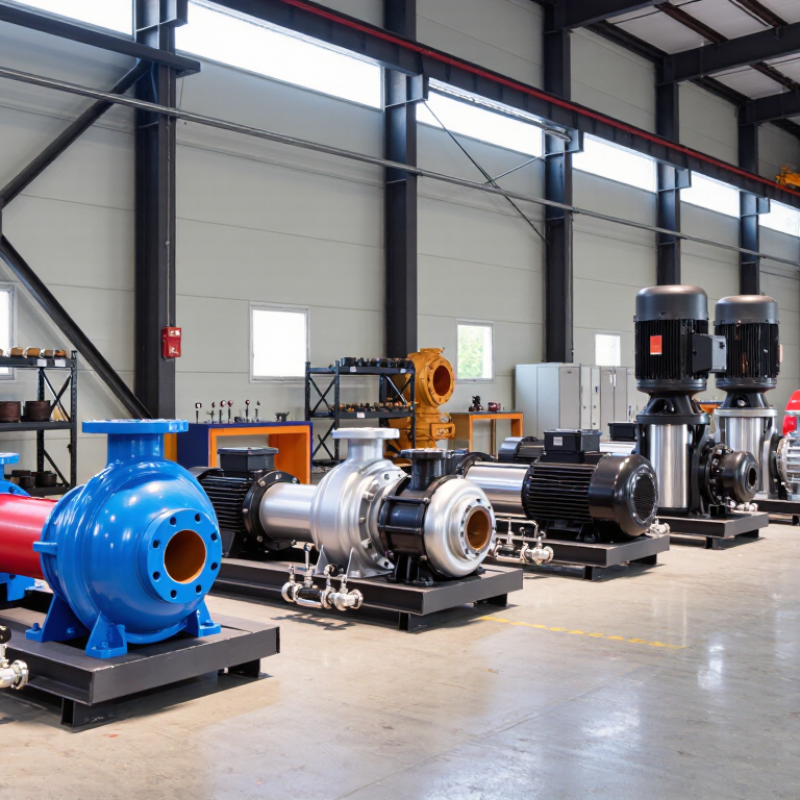
Global buyers can choose from several pump types, and the right fit depends on flow rate, lift, fluid, and operating schedule. Centrifugal pumps move water and other low-viscosity liquids efficiently in many transfer and circulation systems. They work best when the liquid supply and suction conditions are suitable. For thicker fluids or accurate dosing, positive-displacement pumps can provide steadier delivery. Gear and screw designs suit some viscous liquids, while diaphragm pumps handle dosing tasks and certain fluids containing suspended solids.
Submersible pumps operate below the liquid surface, making them useful for wells, drainage, and tanks with limited access. Vertical and horizontal multistage pumps can serve applications that need higher pressure, but installation space and maintenance access still matter. Small details matter. Check the required flow and total head against a pump curve, then confirm material compatibility, temperature, and particle size with the supplier’s technical documentation. I would not choose from a catalog image alone. A neat specification can still hide a poor fit, especially when site conditions vary or the duty cycle is unclear. A measured operating point is more useful than a broad capacity claim.
How to Compare Pump Specifications and Manufacturing Quality
China Top 10 Pump Products for Global Buyers
Comparing pump products starts with the duty point, not the largest number on a sales sheet. Record the required flow, total head, liquid temperature, and operating hours. Then check the pump curve at your expected flow. A unit may meet peak head but run inefficiently during normal service. Numbers need context. Ask whether the published curve uses water or your actual liquid; viscosity and density can change power demand. Check NPSH available against NPSH required, allowing for piping losses and changing site conditions. Motor rating, seal arrangement, and allowable solids also matter. Shortlist by real operating range.
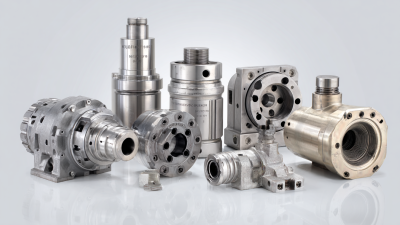
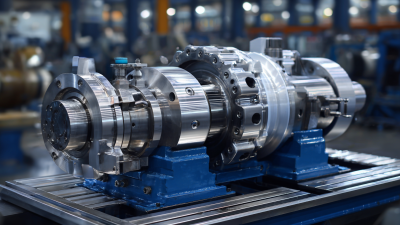
Manufacturing quality is less visible, so request evidence rather than relying on polished photographs. Review material certificates, dimensional inspection records, rotor balancing results, and pressure or leakage test reports. For a cast casing, inspect machined surfaces and ask how defects are screened. For welded parts, request the inspection procedure. Small details count. Look for serial traceability and acceptance criteria linked to the supplied unit. If possible, inspect a sample or witness a performance test under agreed conditions. Test results are useful only when the setup resembles the stated duty. No checklist removes every risk. Even experienced buyers sometimes compare unlike test points; revisit assumptions before approving a final specification.
China Top 10 Pump Products for Global Buyers — Comparing Pump Specifications and Manufacturing Quality
Indicative peak hydraulic efficiency ranges by pump type
Efficiency ranges are broad, indicative comparisons—not guaranteed specifications. Actual efficiency depends on pump design, size, materials, operating speed, and duty point. Compare manufacturer test curves and quality documentation for the exact model and application.
 English
 Español