China Best High Voltage Power Frequency Test Solutions Available?
In the world of electrical engineering, ensuring the reliability of power systems is crucial. High Voltage Power Frequency Test is a key procedure in this regard. It assesses the insulation strength of electrical equipment. Many companies rely on these tests to certify their products.
Finding the best solutions for High Voltage Power Frequency Test in China can be challenging. The market is flooded with various options. Some companies boast advanced technology and superior services. However, choosing the right provider is vital. Quality and accuracy must not be compromised.
There are success stories, but also failures. Organizations occasionally overlook critical factors. This leads to subpar testing results. Relying solely on low costs can be tempting. Nevertheless, the implications of poor testing can be severe. Evaluating both expertise and experience is essential. In a rapidly evolving industry, the importance of reliable testing cannot be understated.
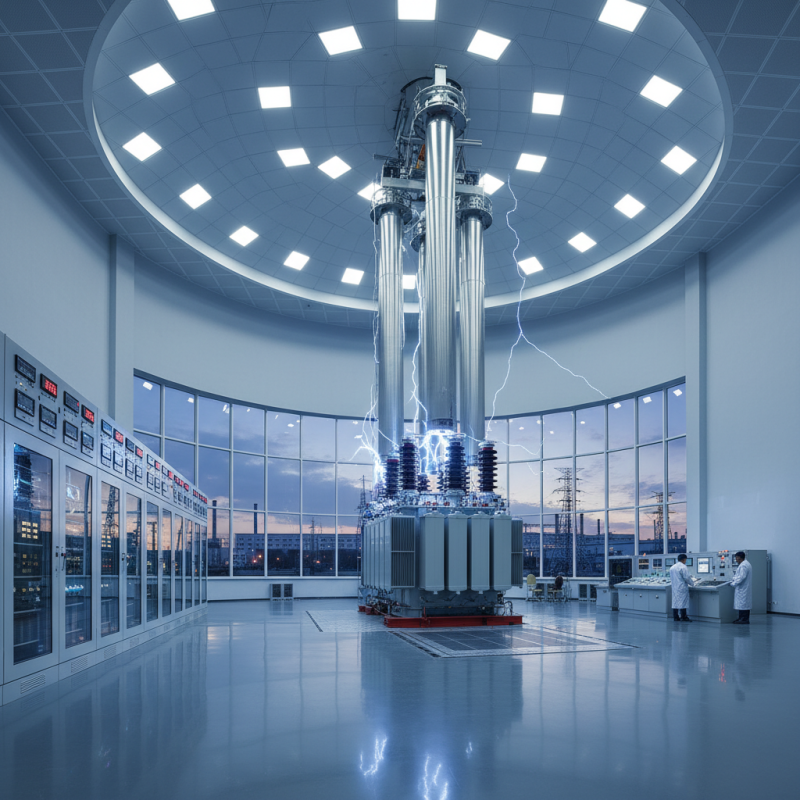
Overview of High Voltage Power Frequency Testing in China
High voltage power frequency testing is crucial in China's electrical infrastructure. This testing ensures the safety and reliability of power systems. Engineers conduct these tests to detect insulation weaknesses and potential failures in equipment. Testing with high voltage helps simulate real-world conditions. It allows experts to assess the integrity of cables and transformers thoroughly.
Chinese companies have made significant advancements in testing technologies. Laboratories are equipped with state-of-the-art tools for accurate measurements. However, challenges remain. Some testing procedures can be time-consuming and expensive. Equipment calibration is vital for precise results. This process often requires skilled technicians with extensive experience.
Despite advancements, gaps exist in knowledge sharing across different companies. Collaboration could enhance testing standards and practices. Furthermore, ongoing training is essential. It keeps engineers updated on the latest techniques and safety protocols. Addressing these concerns will improve the overall efficiency of high voltage power frequency testing in China.
China Best High Voltage Power Frequency Test Solutions Available
| Test Type | Voltage Range (kV) | Test Duration (min) | Accuracy (%) | Typical Applications |
| AC Power Frequency Test | 1 - 1000 | 1 - 60 | ±2 | Cables, Transformers |
| DC Power Frequency Test | 1 - 2000 | 1 - 30 | ±1 | Insulation Resistance, Substations |
| Immunity Test | 0 - 400 | 1 - 15 | ±3 | Control Systems, Electronics |
| Partial Discharge Test | 0 - 500 | 1 - 20 | ±5 | Cable Joints, Insulators |
Key Providers of High Voltage Testing Solutions in China
High voltage testing is a critical aspect of ensuring the safety and reliability of electrical infrastructure. In China, demand for high voltage power frequency test solutions has significantly increased. According to a recent report, the high voltage testing market is projected to grow at a compound annual growth rate (CAGR) of 7.4% between 2023 and 2028. Various key providers are stepping up to meet this demand, each bringing unique expertise to the table.
Leading experts emphasize the importance of precision in high voltage testing. Accurate testing can prevent future failures in electrical systems. Firms that specialize in high voltage testing often utilize advanced technologies to measure insulation resistance. In practice, the testing solutions can validate the integrity of transformers, cables, and other components. However, there are challenges. Some providers lack the infrastructure needed for thorough testing, which can lead to inaccurate results.
New innovations are emerging. For instance, portable test equipment has made it easier for engineers to perform on-site assessments. Still, the industry faces hurdles such as inconsistent testing standards. Researchers suggest that greater collaboration between providers could solve some of these issues. Companies must emphasize both experience and reliability in their testing solutions. As the market continues to evolve, identifying reputable providers will be crucial for ensuring system safety and efficiency.
High Voltage Power Frequency Test Solutions in China
The bar chart above displays the market demand for various high voltage power frequency test solutions available in China. Each category represents a different type of testing solution, indicating its demand in units. This data reflects the growing importance of high voltage testing solutions in ensuring the reliability and safety of electrical systems.
Technological Innovations in High Voltage Testing Equipment
High voltage testing is critical for ensuring the reliability and safety of electrical equipment. Technological innovations in high voltage testing equipment have transformed this sector. New devices utilize advanced sensors and automation. These enhancements improve accuracy and efficiency during testing processes. Modern testers can now handle multiple frequency ranges. They adapt to various testing scenarios seamlessly.
However, not all innovations have been flawless. Some equipment can be complex to operate. This complexity can result in user errors during testing. Additionally, reliance on automated systems raises concerns about potential failures. Testing personnel must remain vigilant and well-trained. Continuous education is essential to keep up with technological advances.
The growing industry demand pushes manufacturers toward integrating AI and machine learning. These technologies enhance data analysis and predictive maintenance. Yet, challenges remain in balancing innovation with usability. As the field evolves, it's crucial for engineers to critically assess these new tools. This reflection will ensure high voltage testing continues to meet rigorous safety standards.
Industry Standards and Compliance for High Voltage Testing
High voltage power frequency testing is crucial for ensuring the safety of electrical systems. Meeting industry standards guarantees reliability and performance. Various regulations define acceptable parameters for high voltage testing. Compliance is essential for manufacturers and service providers.
According to the International Electrotechnical Commission (IEC) standards, tests must be conducted at specific frequency levels. These range between 50 Hz and 60 Hz; deviations can lead to inaccurate results. Proper testing not only meets compliance but also enhances system longevity. Many facilities, however, struggle with achieving full compliance in line with evolving regulations. Regular training and updates are necessary but often overlooked.
Data from industry reports highlight that over 25% of electrical faults arise from inadequate testing protocols. This statistic underscores the importance of adopting best practices. Organizations must invest in training and equipment to enhance testing accuracy. Balancing costs with compliance can be challenging. Industry experts recommend continuous evaluation of testing methods to avoid common pitfalls.
Applications and Importance of High Voltage Testing in Energy Sector
High voltage testing is vital in the energy sector. It ensures that electrical equipment can withstand high voltage stress. This testing helps prevent failures that could lead to outages or safety hazards. By identifying weaknesses, companies can address issues proactively.
Tips: Regular testing of transformers and transmission lines is crucial. Schedule tests during off-peak hours. This can minimize disruptions and enhance safety.
High voltage tests apply to various equipment, from cables to switchgear. Each component has a specific voltage threshold. It is essential to know these limits. Understanding equipment specifications leads to better testing outcomes.
Safety standards should guide every testing procedure. Additionally, the environment affects testing outcomes. Humidity and temperature can impact results. Regular calibration of testing equipment is often overlooked. Ensure that you adhere to best practices.
 English
 Español