What is a Cast Iron Stove and How Does It Work?
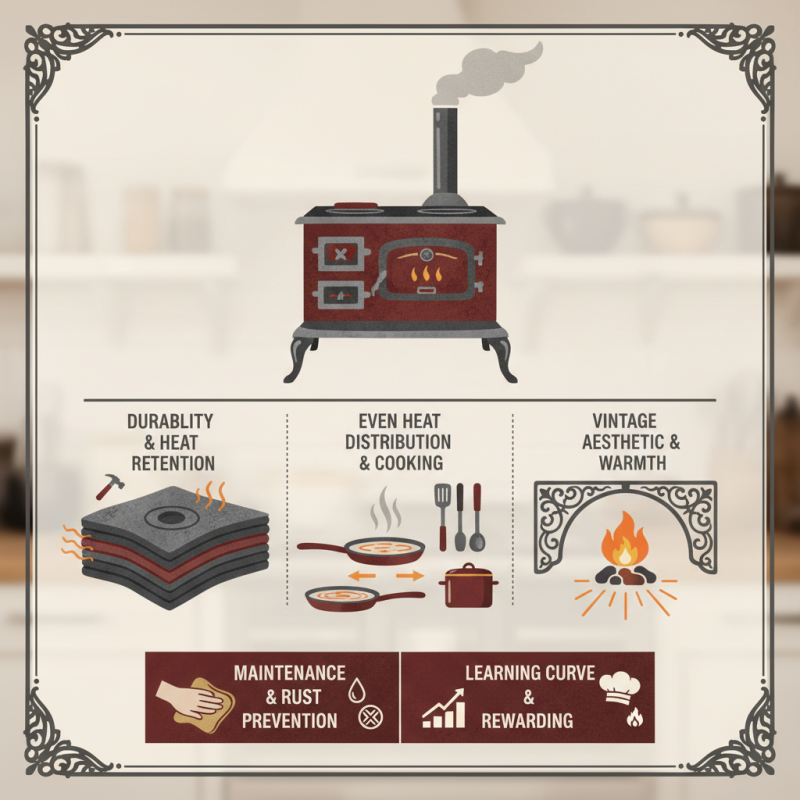
A cast iron stove is a remarkable kitchen appliance known for its durability and heat retention. Crafted from thick cast iron, these stoves can withstand extreme temperatures. They distribute heat evenly, making them ideal for cooking.
The design of a cast iron stove often features intricate patterns. This adds a vintage aesthetic to modern kitchens. Users appreciate its ability to maintain warmth long after the fire has died down. However, cast iron stoves require regular maintenance. Rust can be an issue without proper care. It's essential to season the surface to prevent corrosion.
Cooking on a cast iron stove may feel different at first. The heat level can be more challenging to regulate compared to gas or electric stoves. Users must learn to adjust their cooking techniques. This learning curve may frustrate some, but the benefits are undeniable. A cast iron stove can become a cherished kitchen staple with patience and practice.
What is a Cast Iron Stove?
A cast iron stove is a classic heating appliance made from durable cast iron. Its design traps heat effectively, allowing for even distribution throughout a room. These stoves often feature intricate designs, showcasing craftsmanship. They come in various styles and sizes, appealing to different aesthetics.
According to a report from the U.S. Department of Energy, cast iron stoves can be highly efficient. They may reach efficiencies of over 75%, making them a popular choice. However, not all models perform the same. Some users report inconsistent heating. Proper installation and maintenance can be challenging for some homeowners.
The weight of a cast iron stove can be a drawback. Moving and placing them often requires extra help. Additionally, the surface can become quite hot, posing safety risks for children. These factors must be considered when choosing a stove.
The History and Evolution of Cast Iron Stoves
The journey of cast iron stoves dates back to the 18th century. Initially, these stoves were simple and utilitarian. Over time, they evolved in design and function.
By the 19th century, ornate styles became popular, reflecting the era's craftsmanship. People began to appreciate the aesthetic appeal alongside the practical benefits.
Cast iron stoves are known for their durability and heat retention. They offer consistent warmth in colder climates. However, they can be heavy and challenging to move. When choosing a cast iron stove, consider your space and heating needs.
Tips: Regular maintenance is key. Cleaning the stove ensures it operates efficiently. Also, be mindful of placement; proximity to walls affects heat distribution. While beautiful, the weight may require reinforced flooring. This aspect is often overlooked but essential in home design.
How Does a Cast Iron Stove Work?
A cast iron stove is a reliable heating option. It retains heat well and evenly distributes warmth throughout a room. The design often features intricate patterns and heavy construction. These stoves can last for generations when properly maintained. They are not just functional; they add charm to any space.
How does a cast iron stove work? It operates by burning wood or coal in a closed chamber. The heat generated warms the cast iron surface. This heat then radiates into the room. Air flows into the stove through vents, fueling the fire. The firebox's design encourages efficient combustion. Users can control the temperature by adjusting these air vents.
However, using a cast iron stove has its challenges. Proper installation is key for efficiency and safety. Sometimes, the stove can take too long to heat up. It requires regular cleaning to prevent soot buildup. Users must also ensure good ventilation to avoid smoke problems. Engaging with this rustic heating method can lead to valuable insights about energy consumption and home warmth.
What is a Cast Iron Stove and How Does It Work? - How Does a Cast Iron Stove Work?
| Dimension | Details |
| Material | Cast Iron |
| Heating Method | Radiant heat transfer |
| Fuel Types | Wood, Coal, Pellets |
| Efficiency | Varies by model; generally 70%-90% |
| Heat Retention | Excellent; retains heat for hours |
| Installation Type | Freestanding, Insert, or Fireplace |
| Maintenance | Regular cleaning required; check for cracks |
| Lifespan | Can last over 50 years with proper care |
| Aesthetic Appeal | Classic and rustic designs |
Benefits of Using a Cast Iron Stove
A cast iron stove offers warmth and efficiency, making it a popular choice for many homes. Its dense material holds heat well, providing consistent warmth even after the fire has died down. This ability to retain heat means less frequent refueling and more even cooking temperatures. The heat radiates slowly, creating a cozy environment without the harsh bursts of heat typical in other stoves.
Another advantage is durability. Cast iron stoves can last for decades with proper care. They can withstand high temperatures and are less likely to warp over time. However, they require some maintenance. Regular cleaning is essential to prevent rust. Some users might find this upkeep tedious, yet the long-term benefits often outweigh these challenges.
Additionally, cast iron stoves can enhance cooking experiences. They provide excellent heat distribution for baking and roasting. Many users appreciate the unique flavors that cast iron can impart to food. While some may find their weight and bulkiness to be a drawback, this sturdiness often contributes to their efficiency and longevity.
Maintenance and Care for Cast Iron Stoves
Cast iron stoves are known for their durability and efficient heating. However, they require proper maintenance to ensure they last for years. Cleaning is essential. Regularly remove ashes and debris from the firebox. A simple brush can do wonders. Dust tends to accumulate, leading to rust. Keep the stovepipe clear as well. This ensures optimal airflow and reduces smoke buildup.
Inspect the stove’s surface periodically. Look for cracks or signs of wear. These issues can become serious over time. Use a high-temperature paint to touch up any chipped areas. Oil the hinges and knobs to prevent sticking. Don’t forget to check the gaskets. A worn gasket lets heat escape, decreasing efficiency.
Proper care extends the life of your stove. It’s also a chance to gather around and appreciate the warmth it provides. Yet, everyone has off days. Some may forget maintenance schedules. Others might skip a cleaning, thinking it isn’t necessary. Reflection on these moments can lead to better habits. Regular attention pays off in the long run.
 English
 Español