Top 10 Hydraulic Pump Parts You Need to Know About?
When discussing Hydraulic Pump Parts, expertise makes all the difference. John Smith, an industry expert with over 20 years of experience, emphasizes, "Understanding each part's function is crucial for optimal performance." Knowing the essential components of a hydraulic pump can significantly impact efficiency and operation.
Hydraulic Pump Parts work cohesively. Each part has a role that can affect overall system reliability. For instance, a worn-out seal can lead to fluid leaks, reducing performance. Similarly, the integrity of the pump casing is vital for maintaining pressure. These details can make or break a project.
However, many overlook these common issues. They might not consider that even minor defects can escalate costs and downtime. Hydraulics is complex, and misunderstanding components is easy. Therefore, gaining insight into the top 10 Hydraulic Pump Parts can enhance both knowledge and application in this critical field. The more you know, the better you can prevent failures.
Overview of Hydraulic Pump Components and Their Functions
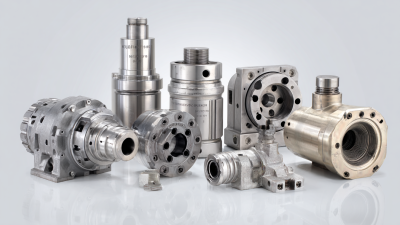
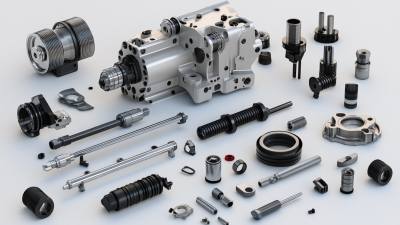
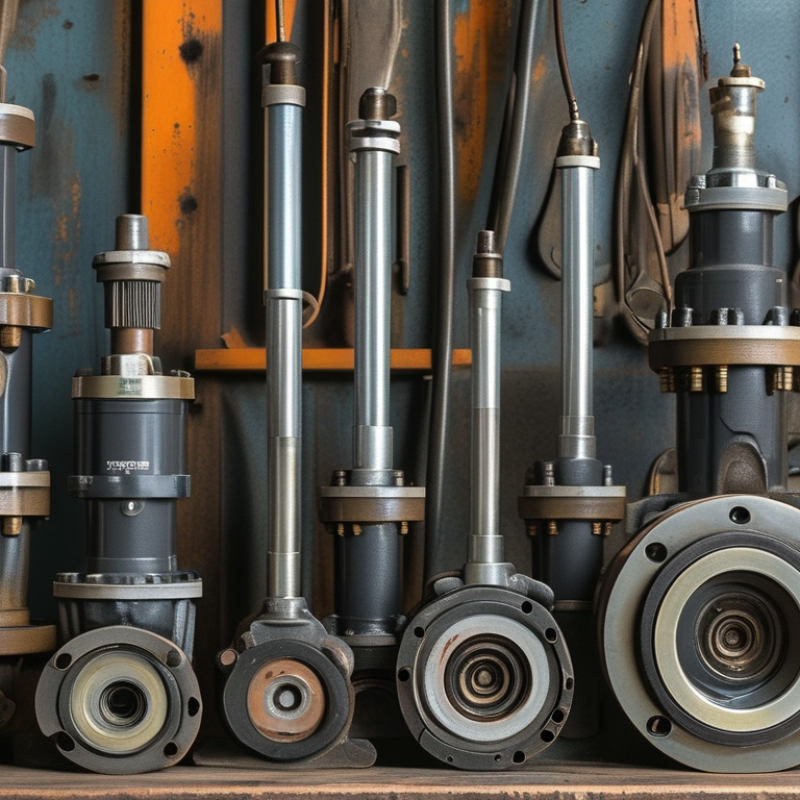
Hydraulic pumps play a crucial role in various industrial applications. Understanding their components is essential for maintenance and efficiency. Key components include the pump casing, which houses all internal parts. This casing ensures durability and protects against external damage. Inside, the gears or pistons convert mechanical energy into hydraulic energy. These need to be in excellent condition to maintain performance.
Another vital part is the inlet and outlet ports. They allow fluid to flow in and out of the pump. Blockages in these ports can lead to inefficiencies. Seals and bearings are also necessary; they reduce friction and maintain pressure. However, if they wear out, they can cause leaks. Regular inspection is needed to avoid costly repairs.
The hydraulic fluid itself is often overlooked. Using the correct fluid type is critical for optimal function. Contaminated fluid can cause significant damage. The reservoir complements this system by storing hydraulic fluid. Proper maintenance of these components ensures longevity and performance. Ignoring even small parts can lead to larger issues down the line.
Understanding the Importance of Hydraulic Oil in Pump Performance
Hydraulic oil plays a crucial role in the performance of hydraulic pumps. It acts as a lubricant, reducing friction between moving parts. Proper lubrication extends the life of the pump and improves efficiency. Low-quality oil can lead to increased wear and tear. This can cause costly breakdowns. Regularly checking oil quality is essential for reliable operation.
The viscosity of hydraulic oil affects pump performance. If the oil is too thick, it may not flow well. This leads to sluggish movement and inefficient power transmission. Conversely, oil that is too thin can result in inadequate lubrication. This raises the risk of component damage. Understanding these properties is vital for maintaining optimal performance.
Maintaining clean hydraulic oil is equally important. Contaminants can cause blockages and reduce efficiency. Regular filtration and oil changes help prevent this. It's not just about choosing the right oil; monitoring its condition is necessary. Insufficient attention to these details can lead to serious mechanical failures. A proactive approach ensures your hydraulic system remains reliable over time.
Key Specifications for Hydraulic Pump Parts: Flow Rate and Pressure
When discussing hydraulic pump parts, flow rate and pressure are critical specifications to consider.
Flow rate, measured in gallons per minute (GPM) or liters per minute (LPM), determines how much fluid
is moved in a specific time frame. A higher flow rate can lead to faster machine operation, but it can
also increase wear and tear on components. It's essential to find a balance that suits your application.
Pressure, usually measured in pounds per square inch (PSI) or bars, indicates the force that pushes
the hydraulic fluid through the system. Higher pressure allows for greater lifting and pushing power,
but it can strain pump parts. Each component must be designed to handle the operating pressure. If
components are not rated correctly, failures can happen.
In the hydraulic system, the interplay between flow rate and pressure is crucial. A mismatch can
lead to inefficient performance or costly breakdowns. Monitoring these specifications can help
ensure longevity. However, mistakes often occur. Overestimating the required flow or pressure can
lead to significant issues. A deep understanding of these elements is vital for any operator.
Common Wear and Tear Issues in Hydraulic Pump Parts
Hydraulic pump parts are essential for effective machinery operation. Over time, these components can face wear and tear due to various factors. Common issues include seal failure, which can lead to leaks. When seals degrade, fluid loss occurs, impacting performance.
Another frequent problem is the wear of bearings. They support rotating parts, and if they wear down, it can cause excessive noise and vibration. Often, this indicates misalignment or insufficient lubrication. Keeping an eye on these signs can help prevent further damage.
Piston wear is another issue that operators should monitor. Worn pistons can cause a reduction in pressure. This loss affects the entire hydraulic system's efficiency. Observing these wear patterns can provide insight into necessary maintenance. Regular inspections are vital for prolonging the life of hydraulic pump components.
Top 10 Hydraulic Pump Parts You Need to Know About - Common Wear and Tear Issues in Hydraulic Pump Parts
| Part Name |
Common Issues |
Signs of Wear |
Recommended Maintenance |
| Gear Pump |
Cavitation, Leakage |
Unusual noises, loss of pressure |
Regular fluid changes |
| Vane Pump |
Imbalance, Wear on vanes |
Inconsistent flow, pulsations |
Inspect and replace vanes regularly |
| Piston Pump |
Seal failures, Scoring |
High noise levels, fluid contamination |
Check seals and replace as needed |
| Hydraulic Cylinders |
Seal leaks, Rod wear |
Visible leakage, slow operation |
Inspect seals and rods regularly |
| Filters |
Clogging, Contamination |
Increased pressure drop, dirty fluid |
Change filters at recommended intervals |
| Reservoirs |
Corrosion, Contaminants |
Rust formation, fluid discoloration |
Regular cleaning and inspections |
| Hoses |
Cracking, Kinking |
Leaking fluid, hose bulging |
Inspect hoses for wear and replace as needed |
| Fittings |
Loosening, Corrosion |
Visible rust, fluid leaks |
Regularly check tightness and condition |
| Valves |
Sticking, Wear |
Inconsistent operation, noise |
Inspect and lubricate as necessary |
Maintenance Practices to Extend the Lifespan of Hydraulic Pump Components
Hydraulic pumps are crucial in various industrial applications. To maintain their efficiency, regular upkeep is vital. A key practice is monitoring fluid levels. Low fluid can lead to overheating or even pump failure. Check fluid regularly. Clean any contaminants to ensure smooth operation.
Another important aspect is inspecting seals and gaskets. These components wear out over time. A small leak can lead to significant performance issues. Replace any worn parts promptly. Additionally, pay attention to noise during operation. Unusual sounds may indicate underlying problems. Address these concerns quickly to avoid extensive damage.
Training personnel on proper operating procedures is essential. Lack of knowledge can lead to mistakes. Frequent training can enhance awareness and skills. Furthermore, creating a maintenance schedule can keep operations running smoothly. Regular audits can identify potential issues before they escalate. Following these practices can help extend the lifespan of hydraulic pump components effectively.
 English
 Español