Why Do Industrial Pumps Need Repairs Common Causes Explained
Industrial pumps rarely fail without warning. A rising bearing temperature, unusual vibration, or a small seal leak often appears first. These details may seem minor, but they can signal expensive damage ahead. Pump Repairs become necessary when wear, poor installation, or unsuitable operating conditions exceed the machine’s tolerance.
Common causes include cavitation, blocked suction lines, dry running, and incorrect alignment. Cavitation may sound like gravel moving through the casing. It can damage impellers and reduce flow efficiency. Worn mechanical seals may leave a thin trail of liquid around the shaft. Failed bearings often create heat, noise, and irregular vibration. Corrosion, abrasive solids, and inadequate lubrication can shorten component life. Electrical faults may also affect motor-driven pump performance.
Diagnosis requires more than replacing the loudest part. Technicians should review pressure readings, flow rates, vibration data, temperature trends, and maintenance records. Manufacturer guidance remains important, especially for clearances and lubrication intervals. A careful inspection can distinguish a damaged component from an operating mistake. Yet diagnosis is not always neat. A clogged filter may imitate a failing pump. A worn coupling may look like a bearing problem. Even experienced teams can overlook simple causes.
Reliable maintenance combines practical observation with documented testing. Cleaning strainers, checking alignment, confirming lubrication, and monitoring seals can prevent repeated failures. Repairs should address the source, not only the visible damage. That lesson is easy to state. It is harder to apply during production pressure. A thoughtful repair plan protects equipment, improves safety, and supports consistent industrial output.
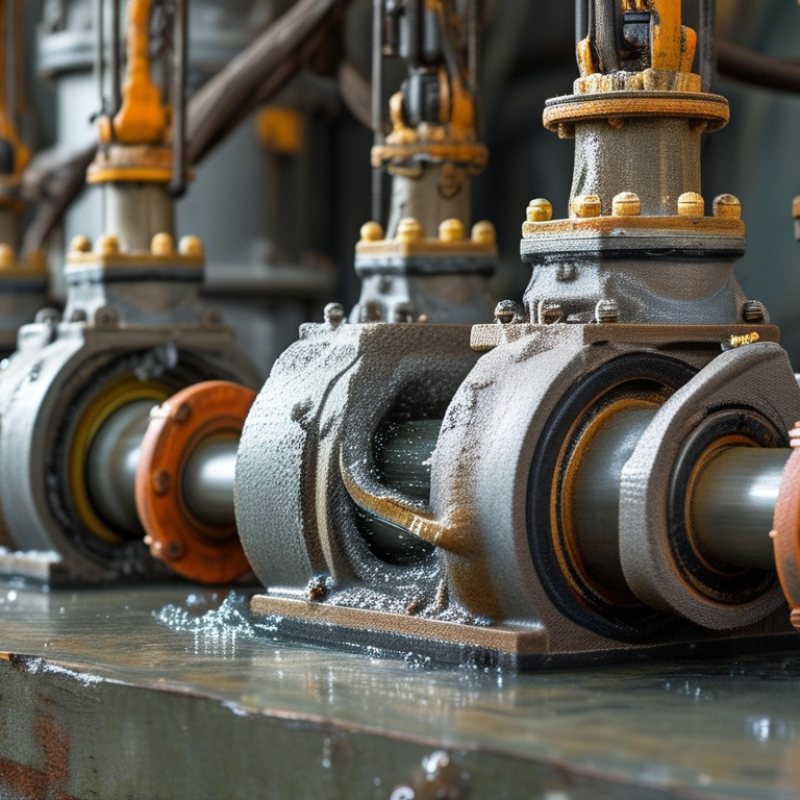
Industrial Pump Repairs: What They Involve and Why They Matter
Industrial pump repairs involve more than replacing a worn seal. Technicians first isolate the equipment, drain the line, and inspect operating records. They check vibration, pressure, temperature, alignment, and motor load. These details help identify the real failure, not only its visible symptom. A damaged impeller may indicate corrosion, cavitation, or blocked suction flow. Bearings, couplings, mechanical seals, gaskets, and shaft surfaces also require careful measurement. Small errors matter. Poor alignment can quickly damage new components.
The repair process should follow documented procedures and site safety controls. Qualified technicians clean each part, compare measurements with manufacturer specifications, and test the pump before returning it to service. Repairs matter because a leaking or inefficient pump can waste energy, reduce production, and create unsafe working conditions. Early attention usually costs less than an emergency shutdown. Still, diagnosis is not always perfect. Operating conditions can change after repair, so follow-up checks remain important.
Tips: Record pressure, flow, noise, and vibration during normal operation. Keep spare seals and bearings in clean, dry storage. Do not tighten a leaking seal blindly. Check alignment after moving the pump or motor. A short inspection can reveal a growing problem. Review maintenance records regularly, even when the pump appears stable. During field work, clear photographs and accurate measurements can prevent repeated repairs.
How Wear, Corrosion, and Cavitation Damage Pump Components
Industrial pumps often need repairs because their internal surfaces endure pressure, heat, and constant friction. Wear slowly enlarges clearances between the impeller, wear rings, shaft, and casing. Even a small gap can reduce flow and increase energy use. During field inspections, scratched shafts and thinned impeller edges often reveal poor alignment or abrasive liquid. Sediment can act like sandpaper. It does not fail loudly.
Cavitation occurs when liquid pressure falls below vapor pressure near the inlet or impeller eye. Bubbles collapse against metal surfaces, leaving rough, crater-like marks and a rattling sound. Corrosion may result from unsuitable fluid chemistry, trapped moisture, or damaged protective coatings. Pitting around seals and fasteners deserves attention. A pump can look clean outside while losing metal inside. Assumptions become expensive.
Reliable diagnosis combines operating records, vibration readings, pressure checks, and component measurements. Technicians should compare results with service requirements, rather than guessing from noise alone. Check suction strainers, valve positions, temperature, and shaft alignment before replacing parts. One overlooked blockage can imitate a failing impeller. I have seen repairs delayed because operators adjusted discharge pressure without correcting air leaks at the suction flange. That decision increased cavitation. Maintenance notes should record symptom timing, handled fluid, and measured clearances. Some inspections are imperfect. Rechecking matters.
How Seal, Bearing, and Motor Failures Develop
Industrial pumps often fail through small defects that remain invisible until production stops. The U.S. Department of Energy reports that pumping systems may consume 25% of industrial electricity in some facilities. That makes neglected repairs expensive.
Seal failure usually begins at the shaft surface. Misalignment creates a thin, uneven contact line. Heat then hardens the elastomer, while abrasive particles scratch the sealing faces. A wet baseplate may be the first warning. The Hydraulic Institute recommends checking leakage, vibration, and operating conditions together, not separately. However, operators sometimes replace seals without correcting pipe strain. The repair looks successful. It often is not.
Bearing damage develops more quietly. Poor lubrication, contamination, and excessive loading produce pits across the raceway. Vibration then rises before the bearing becomes hot. ISO 20816 vibration guidance supports regular condition monitoring, but limits alone cannot explain every failure. Motor problems add another layer. Voltage imbalance increases current in one phase and raises winding temperature. The U.S. Department of Energy’s Motor Systems guidance identifies overheating and poor alignment as recurring maintenance concerns. A motor can still run while its insulation weakens. That is the uncomfortable part. Technicians may trust normal sound too much. Recording temperature, vibration, current, and seal leakage during each inspection gives the repair team stronger evidence. Yet field records are often incomplete, and that weakness deserves attention.
How Operating Conditions and Poor Maintenance Cause Breakdowns
Industrial pumps rarely fail without warning. Operating conditions often create the first weakness. Running beyond the rated flow can overload bearings, seals, and the motor. Low suction pressure may cause cavitation, producing a sharp, gravel-like sound. Vibration then spreads through the casing and connected pipework. Hot fluids can also reduce lubricant life and distort clearances. Abrasive particles quietly wear impellers, especially in poorly filtered process water.
Poor maintenance makes these stresses harder to detect. A neglected strainer restricts flow and forces the pump to work inefficiently. Misaligned couplings increase vibration and damage bearings over time. Inadequate lubrication is common, but excess grease can be just as harmful. Small seal leaks should not be dismissed. Moisture can reach the shaft area and accelerate corrosion. A practical inspection should record vibration, temperature, pressure, and unusual noise.
Maintenance records need useful detail. “Pump checked” is not enough. Note readings, operating hours, fluid condition, and replaced parts. This evidence helps technicians compare gradual changes instead of guessing after a breakdown. Teams sometimes rely too heavily on fixed service intervals. That approach is convenient, but not always accurate. A pump handling dirty fluid may need attention sooner than a lightly loaded unit. Even experienced crews can miss developing problems during a busy shift. Short checks matter. Operators should also verify the original duty conditions, because equipment may serve a different process than intended.
How Technicians Diagnose Pump Problems and Select Repairs
Industrial pumps rarely fail without clues. Technicians begin with operating history, not guesswork. They ask when noise started, whether flow changed, and which conditions were unusual. A rattling sound may indicate cavitation, while a hot bearing can suggest poor lubrication or misalignment. Pressure and flow readings provide stronger evidence than appearance alone. Technicians compare current readings with commissioning data and safe operating limits. Diagnosis is not always neat. A dirty gauge can mislead even an experienced inspector.
After safe isolation, the technician checks suction strainers, seals, couplings, impellers, bearings, and electrical connections. Vibration readings can reveal imbalance or looseness before visible damage appears. Temperature checks may expose friction, blocked cooling, or insufficient lubrication. Current measurements also help identify motor overload and restricted flow. Each result should be recorded, photographed, and compared with maintenance records. Small details matter.
Repair selection depends on the confirmed cause, damage level, operating hours, and required reliability. A worn seal may need replacement, while a damaged impeller may require machining or complete renewal. Replacing bearings without correcting misalignment usually repeats the failure. A temporary repair can be reasonable during an urgent production stop, but it needs a clear follow-up date. Field judgment still has limits. Technicians should question unusual readings, review recognized maintenance procedures, and avoid replacing parts based only on noise. The pump often tells a more complicated story than the first inspection suggests.
 English
 Español