How to Choose a Hydraulic Unit in 2026?
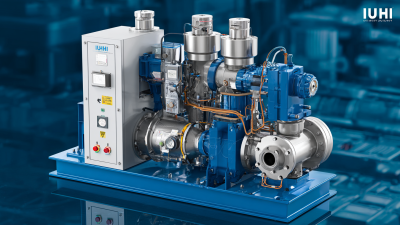
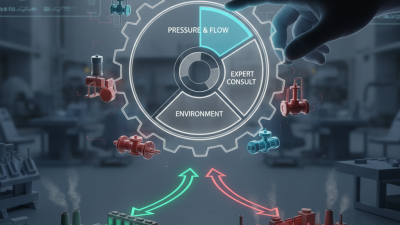
Choosing a Hydraulic Unit in 2026 requires more than comparing pressure and flow ratings. The correct choice must fit the machine, duty cycle, environment, and maintenance plan. A compact unit may look efficient on paper. It can still overheat during continuous production. A larger unit may offer reserve capacity. It can also waste energy and increase operating costs.
Herbert E. Merritt, a respected authority on hydraulic control systems, emphasized a practical principle: “The control of fluid power is the control of energy.” This idea remains highly relevant. Buyers should examine pressure stability, pump type, reservoir capacity, filtration, cooling, noise, and control compatibility. Digital monitoring also deserves attention. Sensors can reveal rising temperature, contamination, or pressure loss before a serious shutdown occurs.
The best Hydraulic Unit is not always the most powerful model. It is the one that delivers stable performance under real working conditions. Check the machine’s peak load, average load, start-up demand, and operating hours. Consider oil viscosity at both cold start and normal temperature. Confirm replacement parts and technical support before signing a purchase order.
That sounds simple. It is not.
Field conditions often challenge catalog calculations. Dust, vibration, limited installation space, and inconsistent maintenance can change the result. No checklist is flawless. A careful selection process should therefore include supplier data, application testing, and feedback from operators. In 2026, energy efficiency and predictive maintenance matter greatly, but reliability still comes first. A thoughtful comparison can prevent expensive rework and protect long-term machine performance.
Define Hydraulic Unit Requirements: Pressure, Flow, Power, and Duty Cycle
How to Choose a Hydraulic Unit in 2026?
Define Hydraulic Unit Requirements: Pressure, Flow, Power, and Duty Cycle
Choosing a hydraulic unit in 2026 starts with measured requirements, not catalogue size. Record actuator force, target speed, load changes, ambient temperature, and available electricity. Pressure is the working force. Specify normal pressure, peak pressure, and relief-valve setting separately. A cylinder needing 180 bar continuously should not use a unit rated for only 180 bar maximum. Leave a practical margin, but avoid excessive pressure. It increases heat and component stress. Real measurements matter.
Flow controls actuator speed, while pressure responds to resistance. Calculate required flow from displacement and cycle time. For a cylinder, include both extension and retraction areas. Check simultaneous actuators carefully. Their combined demand can exceed the pump rating. Hydraulic power can be estimated with P = pressure × flow ÷ 600, using bar, L/min, and kW. Allow for motor, pump, and line losses. A unit sized only from theoretical power may trip during cold starts.
Duty cycle describes how often the unit runs and rests. Continuous operation needs better cooling, filtration, and reservoir capacity than occasional movement. Count starts per hour, operating minutes, idle periods, and load peaks. A design can look correct on paper and still run hot. I have seen this assumption fail. Heat is often treated as a minor detail. It is not. Check oil temperature during a full production cycle, then reconsider the motor size, cooler, and relief setting if results differ from calculations.
Set Pressure and Flow Targets: Typical Systems Range from 70–700 bar
How to Choose a Hydraulic Unit in 2026?
Set Pressure and Flow Targets: Typical Systems Range from 70–700 bar
Choosing a hydraulic unit starts with pressure and flow targets. Typical systems operate between 70 and 700 bar. Do not size the unit from pressure alone. Calculate actuator force, piston area, load changes, and duty cycle. A cylinder lifting 10,000 newtons may need different pressure than one holding the same load continuously. Select working pressure below the unit’s maximum rating. The relief setting should protect the circuit, not compensate for poor sizing.
Flow determines actuator speed. Use the required cylinder volume and movement time. For example, a 50-millimeter bore moving at 100 millimeters per second needs approximately 12 liters per minute. Add realistic allowances for leakage and efficiency. Avoid excessive flow. It increases heat, noise, and energy use. Small mistakes here become expensive.
During commissioning, raise pressure gradually and watch a calibrated gauge. Check the return temperature after a full operating cycle. In field reviews, I have seen units run safely at 250 bar but overheat because the pump delivered unnecessary flow. That lesson changed my selection process. I now check standby conditions, oil viscosity, filtration, and pressure spikes before approving a unit. I also leave room for future load changes. Perhaps that is conservative. It is usually cheaper than replacing an undersized power unit.
How to Choose a Hydraulic Unit in 2026? — Set Pressure and Flow Targets: Typical Systems Range from 70–700 bar
| System Category |
Typical Operating Pressure |
Suggested Flow Target |
Reference Hydraulic Output* |
Typical Applications |
Key Selection Checks |
| Low-pressure auxiliary |
70–100 bar |
5–20 L/min |
0.6–3.3 kW |
Clamping, lubrication circuits, light-duty actuators and compact machinery. |
Confirm cylinder force at the target pressure and allow sufficient flow for the required actuator speed. |
| General-purpose mobile |
100–175 bar |
10–40 L/min |
1.7–11.7 kW |
Material handling, small lifting equipment, agricultural implements and service machinery. |
Check duty cycle, available prime-mover power, filtration and the pressure rating of hoses and valves. |
| Standard industrial |
140–210 bar |
20–80 L/min |
4.7–28.0 kW |
Presses, machine tools, injection equipment and factory automation systems. |
Match pump displacement and motor speed to the required flow; verify continuous pressure ratings rather than peak ratings only. |
| High-force industrial |
210–350 bar |
30–120 L/min |
10.5–70.0 kW |
Heavy forming, industrial presses, test rigs and demanding actuator systems. |
Use components rated above the relief-valve setting and evaluate heat generation, cooling capacity and hose impulse ratings. |
| Heavy-duty mobile or industrial |
250–420 bar |
50–200 L/min |
20.8–140.0 kW |
Heavy construction equipment, large hydraulic drives and high-force production machinery. |
Confirm the prime mover can supply the calculated input power and account for pump, motor and transmission losses. |
| Ultra-high-pressure specialty |
500–700 bar |
1–20 L/min |
0.8–23.3 kW |
Compact intensifiers, specialized test equipment, tensioning and high-pressure tooling. |
Use purpose-rated tubing, fittings, seals and protection devices; keep flow modest unless the complete system is designed for high power. |
Planning reference: Select the unit from the required operating pressure and flow, then verify the lowest-rated component, relief-valve setting, fluid compatibility, temperature range, filtration level and duty cycle.
Hydraulic output power (kW) ≈ Pressure (bar) × Flow (L/min) ÷ 600
* Reference hydraulic output is theoretical. Actual electrical or engine input will be higher because of pump, motor, valve and transmission losses.
|
Choose Reservoir and Cooling Capacity: Allow 2–3× Pump Flow in Liters
How to Choose a Hydraulic Unit in 2026?
Reservoir sizing should begin with the pump’s flow rate. A practical starting point is two to three times the pump flow in liters. For a 40 L/min pump, select a reservoir between 80 and 120 liters. This volume gives the oil time to release heat, separate entrained air, and settle contaminants. It also reduces frequent level changes during cylinder movement. More is not always better. An oversized tank increases cost, floor space, and oil replacement volume.
Cooling capacity must match the heat produced during real operation. Review pressure, flow, duty cycle, ambient temperature, and machine enclosure before choosing an oil cooler. A unit running at 40 L/min and high pressure may generate far more heat than the same pump during intermittent motion. Measure the return-line temperature after a typical production cycle. Then confirm the cooler can maintain the oil within the manufacturer’s recommended operating range.
In field installations, I have seen tanks sized correctly but coolers selected too small. The machine worked well in spring and overheated in a closed workshop during summer. That mistake was avoidable. Leave space around the cooler, keep fins clean, and check airflow direction. I also prefer a visible oil-level gauge and a temperature sensor near the return line. The two-to-three-times rule is useful, but it is only a starting point. Duty conditions still deserve a careful review.
Check Filtration and Efficiency: Target ISO 4406 Cleanliness and 85–95% Efficiency
When choosing a hydraulic unit in 2026, filtration deserves practical attention. Clean oil protects pumps, valves, seals, and actuators from hidden wear. Set an ISO 4406 cleanliness target before comparing unit sizes. The correct code depends on pressure, component sensitivity, duty cycle, and contamination risk. A demanding servo system needs cleaner oil than a slow, low-pressure circuit.
Ask for measured filtration efficiency, not a vague “high-performance” claim. An 85–95% efficiency target can guide early selection, but it needs context. Particle size, test method, flow rate, and pressure drop all affect the result. A filter may perform well in laboratory testing, then struggle during cold starts. Check the element’s dirt-holding capacity and the indicator setting. Small details matter.
In field inspections, dirty breathers and poorly sealed reservoirs often cause more trouble than expected. I have seen operators replace pumps while ignoring moisture and maintenance habits. That mistake is expensive. Use offline sampling to verify ISO 4406 results during normal operation. Record readings after commissioning, then compare them across service intervals. Do not assume a new filter guarantees clean oil. Filter bypass events, incorrect element installation, and overloaded reservoirs can quickly change conditions. Allow some design margin, because real systems rarely operate as neatly as test benches.
 English
 Español