Best Hydraulic Unit Options for Global Buyers What to Choose?
When selecting a hydraulic unit, global buyers face numerous options. The choice can significantly impact operational efficiency. Understanding the types, features, and applications of hydraulic units is crucial. Each unit serves specific needs, from compact designs to powerful systems.
Many buyers may feel overwhelmed by technical specifications. It’s important to focus on what fits your requirements best. Power, efficiency, and reliability are key factors. A reliable hydraulic unit must also meet industry standards. Involving experts during selection can simplify the decision-making process.
It's easy to overlook essential features or misinterpret data. Buyers must recognize potential pitfalls in their choices. Taking time to evaluate and reflect on these units can lead to better investments. A well-informed decision will enhance productivity and reduce maintenance costs. Prioritize knowledge and careful analysis when choosing the right hydraulic unit.
Understanding Hydraulic Units: Types and Their Functions
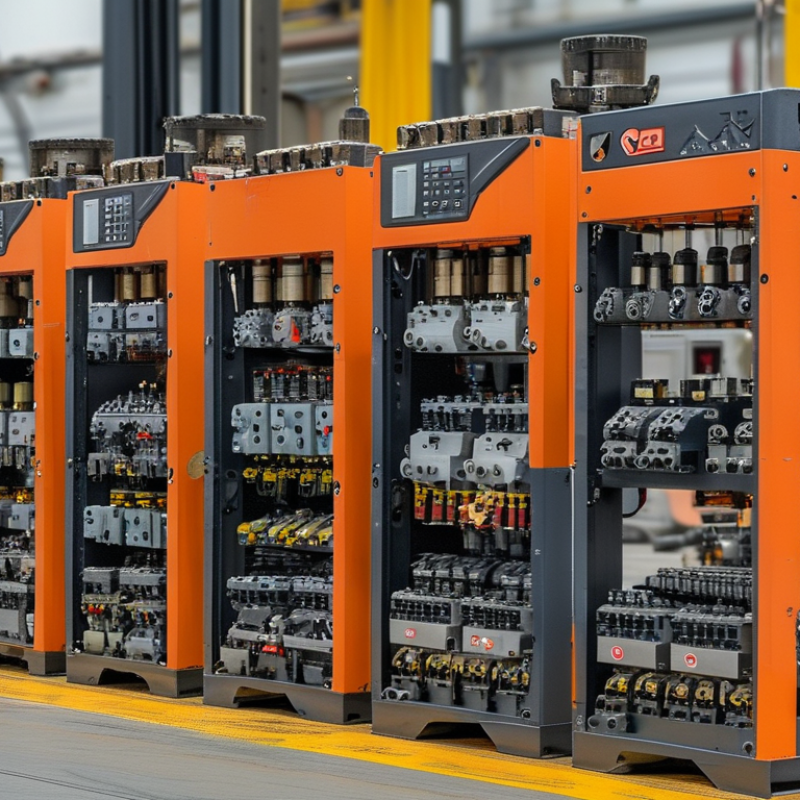
Hydraulic units are essential in various industrial applications. Understanding their types and functions helps global buyers make informed decisions. These units can be broadly categorized into hydraulic power units (HPUs), hydraulic cylinders, and hydraulic accumulators. Each type serves a distinct purpose and operates on similar principles.
HPUs supply pressurized hydraulic fluid to power hydraulic systems. They consist of a motor, a pump, and a reservoir. It's crucial for buyers to consider the flow rate and pressure specifications of HPUs. Hydraulic cylinders convert fluid power into mechanical energy. They are vital in heavy machinery, providing force for lifting and pushing. The correct cylinder selection depends on factors such as stroke length and load capacity.
Hydraulic accumulators store energy in the form of pressurized fluid. They help stabilize pressure variations and can enhance efficiency in hydraulic circuits. According to market research, the hydraulic equipment market is estimated to grow at a CAGR of 5.3%, reaching $70 billion by 2026.
Understanding compatibility between hydraulic components is essential. Ensure that the selected unit matches the required hydraulic fluid type and viscosity. Consider energy efficiency ratings too. Choosing a reliable supplier with a proven history enhances the reliability of purchased hydraulic units.
Selecting the right hydraulic unit requires careful evaluation of your specific application needs. Prioritize quality and ensure compliance with safety standards.
Key Factors to Consider When Choosing a Hydraulic Unit
When selecting a hydraulic unit, several key factors play a crucial role in ensuring optimal performance. Size and power are significant considerations. A unit that is too small may struggle under heavy loads, while a larger unit may be excessive for lighter tasks. Understanding your specific application is vital. Consider how the unit will be employed. Is it for lifting, pushing, or moving? Each task demands different specifications.
Fluid compatibility is another aspect that often gets overlooked. The hydraulic fluid used must be compatible with the system's materials. Using incompatible fluids can lead to leaks and reduced efficiency. Additionally, the efficiency rating of a unit can greatly impact operational costs over time. Focus on energy consumption and maintenance requirements, which can differ widely among units.
Finally, reliability stands out as a core attribute. Investing in a hydraulic unit with a solid maintenance record can save significant headaches later. Explore reviews and case studies. While it might be tempting to go for the cheapest option, a well-researched choice can offer longevity and performance. A balance between cost and quality is essential in expanding your operational framework.
Best Hydraulic Unit Options for Global Buyers What to Choose? - Key Factors to Consider When Choosing a Hydraulic Unit
| Hydraulic Unit Type |
Power Source |
Pressure Rating |
Flow Rate |
Application |
Portability |
| Electric Hydraulic Unit |
Electric |
Up to 5000 psi |
1-10 GPM |
Industrial machinery |
Stationary |
| Gasoline Hydraulic Unit |
Gasoline engine |
Up to 4000 psi |
5-15 GPM |
Construction |
Portable |
| Pneumatic Hydraulic Unit |
Compressed air |
Up to 3000 psi |
2-8 GPM |
Automotive |
Portable |
| Hydraulic Power Pack |
Electric or diesel |
Up to 6000 psi |
3-12 GPM |
General purpose |
Stationary |
| Mini Hydraulic Unit |
Electric |
Up to 3000 psi |
1-5 GPM |
Lightweight operations |
Very portable |
Comparative Analysis of Top Hydraulic Unit Brands
Choosing the right hydraulic unit can be daunting. Many brands offer various features, but understanding the key aspects of each can illuminate your decision. When analyzing brands, consider their reliability, performance ratings, and customer feedback. Some units may promise high performance but fail to deliver consistently.
Compatibility is another critical factor. Ensure that the hydraulic unit can integrate seamlessly with your existing machinery. A mismatch can lead to inefficiencies and increased maintenance costs. It’s worth spending extra time researching compatibility to avoid future issues.
Tips for making the right choice: Pay attention to energy efficiency ratings. Higher efficiency often translates to long-term savings. Also, look for warranties and customer service options. A solid warranty reflects the company’s confidence in its product. Remember that while price is important, focusing solely on costs can lead to regrettable choices. Invest in quality; it pays off in the long run.
Best Hydraulic Unit Options for Global Buyers
Global Market Trends in Hydraulic Unit Procurement
Hydraulic units play a crucial role in various industries worldwide. As the global market evolves, understanding procurement trends helps buyers make informed decisions. Many manufacturers are shifting towards more energy-efficient units. This aligns with the increasing demand for sustainability. Buyers should consider the long-term benefits of these units over initial costs.
Choosing the right hydraulic unit involves analyzing specifications and understanding applications. Some regions prefer compact designs due to space constraints. Others focus on high-capacity units for heavy-duty tasks. It's important to find a balance between performance and budget. Researching industry reports can also provide market insights. Staying updated on innovations and technology can guide your choices.
For effective procurement, consider visiting trade shows and industry conferences. Networking with professionals can reveal valuable perspectives. Collect user reviews to gauge reliability and performance. Familiarize yourself with common issues in hydraulic systems. Knowing what to expect can prepare you for potential challenges. Moreover, reflecting on past experiences can improve future decision-making. Adapting to changing trends may require flexibility and open-mindedness.
Maintenance Tips for Prolonging Hydraulic Unit Lifespan
Maintaining a hydraulic unit is crucial for its longevity and efficient performance. Regular inspections help identify potential issues early. Check for leaks and inspect hoses for wear. Pay attention to fluid levels and replace fluids according to the manufacturer’s recommendations. Remember, dirty fluid can lead to significant wear and tear on internal components.
Routine maintenance should include cleaning filters. Clogged filters can impact performance and increase strain on the unit. Ensure that the pump is functioning properly. Unusual noises or vibrations can indicate problems. Address these issues promptly to prevent more extensive damage.
It's important to keep operation environments in mind. Dust and debris can harm hydraulic systems. Consider covering units when not in use to prevent contamination. Training for operators on proper usage can also improve longevity. Awareness of the hydraulic unit's limits is vital. Overworking the system can lead to premature failure. These factors are important for maintaining a reliable hydraulic unit.
 English
 Español